

Categories Electrical Wiring, Residential

Are GFCI Outlets Required in Older Homes?

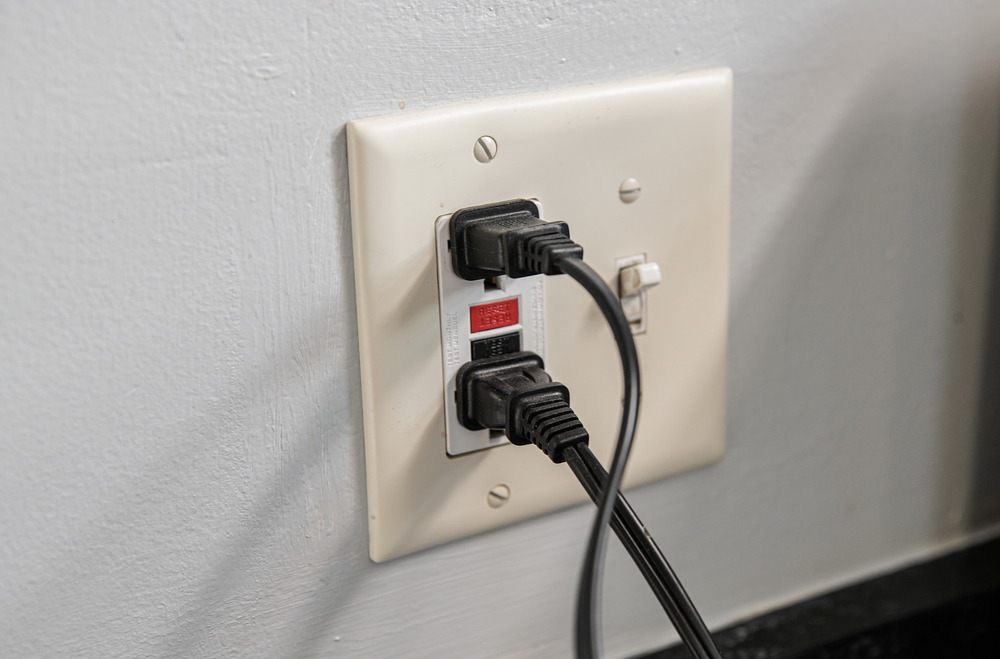
GFCI Outlets

The first electrical power system was developed in 1882 and since 1897, our country has set standards for electrical safety. GFCI outlets have been one of the most valuable electrical safety developments in history.

GFCI outlets were used as early as the 1960s, primarily around swimming pools and home exteriors. It was 1971 when the National Electrical Code (NEC) specified GFCI outlets for new residential construction.

GFCI Outlets Requirements Change in 2023

New national regulations now require trained and licensed electricians for electrical service and maintenance. This means handyman licensing in Arizona may come under scrutiny.

It was always a recommendation (not a requirement) that older home wiring receives regular electrical inspection for ongoing safety. Previously, GFCI receptacles have been required in:

  • Basements/crawlspaces
  • Bathrooms
  • Garages
  • Laundry rooms
  • …and all areas where water is used

“In the new 2023 NEC, all 125- to 250-volt receptacles located inside a kitchen require GFCI protection,” says electrical instructor Jerry Durham. Section 210.8(A)(6) in the 2023 NEC requires ground-fault protection for all kitchen receptacles, regardless of their location or purpose.

The federal code now requires GFCI outlets in:

  • All areas with sinks
  • All plug- and cord-connected kitchen appliances
  • All receptacles installed under eaves/roofs
  • Areas in which HVAC (heating, ventilation, air conditioning) and refrigeration equipment are installed
  • Boathouses/boat hoists
  • Clothes dryers
  • Dishwashers
  • Home/outdoor – At least one
  • Kitchen counter-mounted appliances including:
    • Electric ranges/skillets
    • Microwaves/microwave ovens
    • Wall-mounted ovens
  • Kitchen countertops

Older Homes May Need Rewiring

Prior to 2023, GFCI outlet upgrades were recommended for older homes. They were not legally required even though 68% of house fires are caused by electrical problems. If your home is more than 20 years old, it may be at risk for fire damage. Schedule an electrical inspection to determine if areas of your home need professional electrical service.

5 Top Causes of Electrical Fires in Older Homes

Running electrical cords under area rugs or carpeting is very dangerous and puts your home at high risk for fire. Appliances with frayed cords can ignite carpeting as well as curtains and floors.

The top five causes of older-home residential fires include:

  1. Outlets – Outdated electrical outlets and older appliances are the #1 cause of residential electrical fires.
  2. Light fixtures – Using the wrong wattage bulbs in lamps and light fixtures is the second most common cause of fires in homes. And yes, it’s romantic, but don’t put a handkerchief or other flammable materials atop a lampshade.
  3. Extension cords – Extension cords are a temporary fix, not a permanent solution. Daily-use appliances and electronics should be directly plugged into a wall outlet.
  4. Space heaters – This portable solution to a cold snap is fine if the appliance is operated and positioned safely. Space heaters should be at least 3´ away from all bedding, curtains, and furniture.
  5. Wiring – Today’s use of electronics is usually more than a good old house can manage. Outdated wiring in older homes is a leading fire hazard. Replacing electrical wiring to accommodate computers, gaming devices, wide-screen televisions, etc. increases safety from fire.

GFCI Outlet Upgrades in Arizona

An electrical inspection is an affordable way to determine if your electrical system is functioning safely. About twenty percent of Phoenix homes have older wiring that should be inspected. And in some areas of Maricopa County, 100% of the homes were built before or during the 1970s.

GFCI outlets have a lifespan. Even if your older home has GFCI outlets in place, they should be replaced after 15 years. Some show signs of problems after only five years of use. If you’re planning to invest or already live in a beautiful older home, it’s well worth the peace of mind to ensure its protection from fire.

Turn It On Electric specializes in electrical maintenance for older homes. Let’s prioritize your GFCI outlets and wiring this year. Contact TIO Electric to learn more.

Categories Electrical Wiring, Residential

5 FAQs About GFCI Issues

GFCI Issues

There are many quotes about “anything worth having” that imply good things may come with challenges. We think ground fault circuit interrupters are one of the most wonderful inventions since electricity. There are a few GFCI issues, but none of them override the life-saving benefits of GFCI outlets and breakers.

Five of the frequently asked questions we receive about GFCI issues are:

Q: Can I plug anything and everything into GFCI wall outlets?
A:
15-amp GFCI outlets support three-prong plug-ins. They should be used anywhere appliances may be exposed to water: bathrooms, kitchens, laundry rooms, garages, etc. 

Your home’s largest appliance is probably the HVAC (heating, ventilation, air conditioning) unit. Its receptacle will likely be 125-volt, single-phase, and 20- or 15-amp. Refrigerators/freezers and sump pumps shouldn’t be plugged into some GFCI outlets because the wiring may be “daisy-chained.” This means several outlets may be connected. Your local Phoenix electrician will explain which outlets require GFCI protection.
Frequent tripping (often called “nuisance tripping”) can occur if GFCI outlets support:

  • 100´ or longer circuits
  • Electric motors that are permanently installed
  • Fluorescent/electric-discharge lights/fixtures

Q: Is there a major difference between AFCIs and GFCIs?
A:
Arc fault circuit interrupters (AFCIs) were once used in properties where wiring might be unsafe. They provide added protection against fire. In 1999, they became mandatory in all homes.

GFCIs offer fire protection but also prevent or minimize the risks of electrical shocks. Some rooms – kitchens and laundry rooms – must have dual-function AFCI/GFCI receptacles for maximum protection.

Q: What causes GFCI tripping?
A:
GFCI tripping is a quick disconnect of electricity. Some of the common causes of GFCI tripping can include:

  • Circuit length too long to protect the number of plugged-in/operating appliances/equipment
  • Defective appliance
  • GFCI defects
  • Improper wiring
  • Moisture in the area or wet wires
  • Too many appliances operating at the same time

Q: Will a surge protector stop GFCI tripping?
A:
Actually, it can make it worse. The plugged-in surge protector can create an imbalance in electrical flow. The GFCI will respond by shutting down (tripping).

Q: Why do I need a licensed electrician for GFCI issues?
A:
Since 1897, the National Electrical Code (NEC) has set the standards for electrical safety. It’s a U.S.A.-based single set of electrical installation requirements for electricians, architects, electrical product manufacturers, and safety organizations. The NEC is not a federal law. It is a federal code that has set electrical safety standards for many countries outside the U.S.
One GFCI issue we face in Arizona is that the NEC has been adopted by our state (and all U.S. states) but is not 100% enforced within our state. That has led to electrical work that may not meet code requirements in some areas.


Licensed electricians know national, state, and local electrical standards for public and private properties. Licensed, professional electricians use industry-best practices. They will take responsibility for and guarantee their workmanship.

Ask Questions About Electrical, GFCI Issues

Knowledge helps you make informed decisions. The internet can provide general information for homeowner topics. But when you have electrical questions about your property and lifestyle, you need customized answers.

Forbes says “reskilling the energy workforce” is now a priority. A data-driven electrical environment will save money and energy. Therefore, it’s important for your electrician to study and be able to speak knowledgeably about trending technology upgrades. Turn It On Electric technicians receive ongoing training and education so you have more and better options.

Your safety is our priority. Never hesitate to ask us about all things electrical, especially GFCI issues. We’ll partner with you to determine the best energy solutions for your home and family. Contact TIO Electric to learn more.