Categories Commercial, Residential

EV Chargers: Types, Specifications, and Installation Considerations

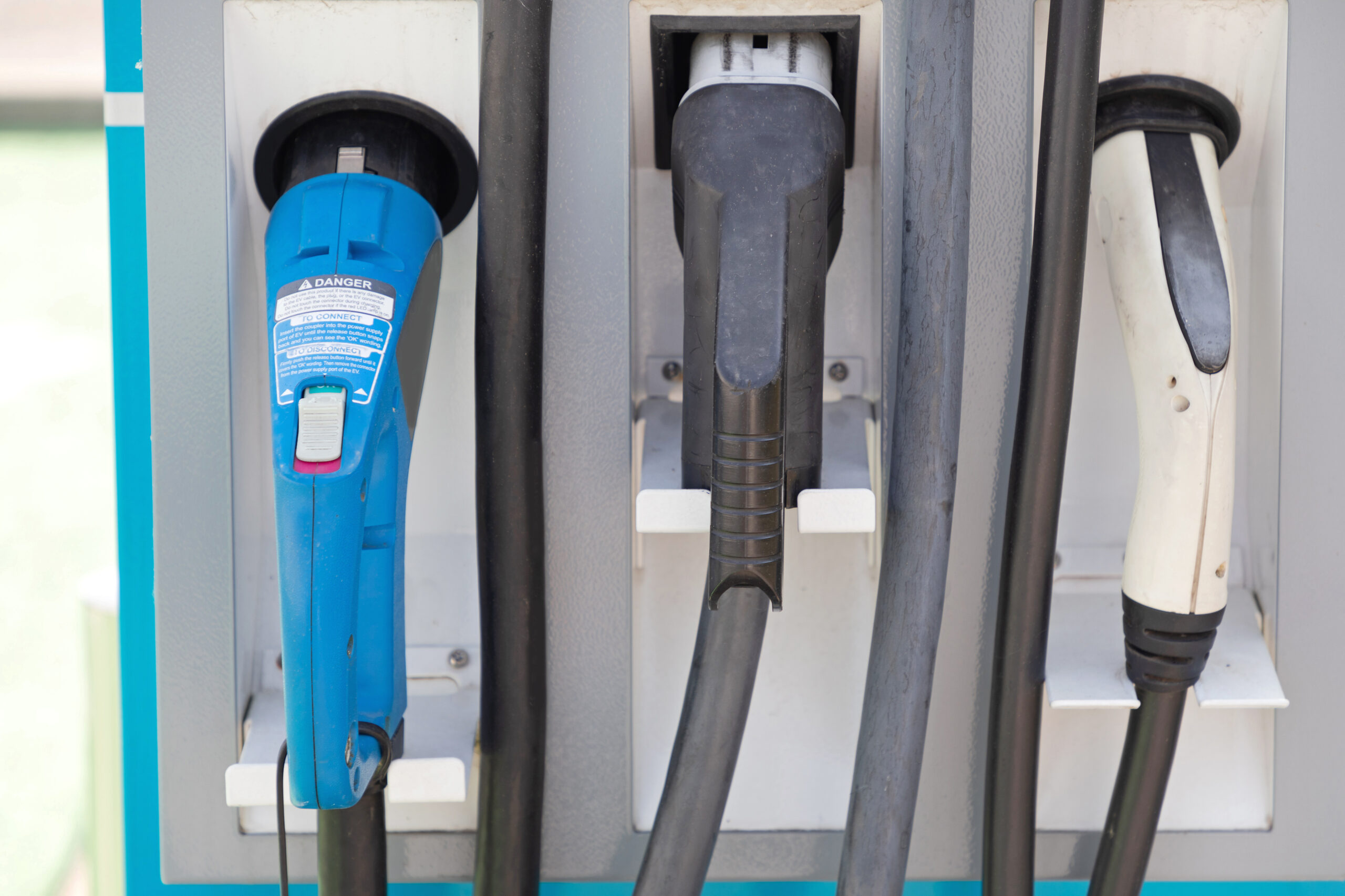
With the rapid growth in electric vehicle (EV) adoption, understanding the different types of EV chargers and their installation requirements has become increasingly important. Choosing the right EV charger not only affects your charging speed but also impacts your overall driving experience and home electrical setup. In this comprehensive guide, we will explore the various types of EV chargers, their specifications, power differences, and key considerations for installation to help you make an informed decision.

Types of EV Chargers

Level 1 Chargers

Specifications:
Level 1 chargers are the most basic type of EV charger, operating on a standard 120V household outlet. They typically deliver around 1.4 kW of power, which translates to about 4-5 miles of range per hour of charging.

Electrical Requirements:
Level 1 chargers can be plugged directly into a standard household outlet, making them the most accessible and cost-effective option for EV owners. They usually do not require any additional electrical work, making them ideal for those who drive shorter distances daily.

Best Use Cases:
Level 1 chargers are best suited for overnight charging at home, especially for EV owners who drive less than 40 miles per day. They are also a good fit for those who may have limited access to higher-level charging infrastructure.

Level 2 Chargers

Specifications:
Level 2 chargers are a step up from Level 1, operating on a 240V circuit. They offer power output ranging from 3 kW to 19 kW, allowing them to provide 15-30 miles of range per hour of charging.

Electrical Requirements:
Installing a Level 2 charger typically requires a dedicated 240V circuit, which may necessitate electrical upgrades, such as a new circuit breaker or even a panel upgrade. This type of installation should be carried out by a licensed electrician to ensure safety and compliance with local codes.

Best Use Cases:
Level 2 chargers are ideal for daily drivers who need a quicker charging solution. They are commonly installed in homes, workplaces, and public charging stations, providing a faster and more efficient way to recharge EVs.

DC Fast Chargers (Level 3)

Specifications:
DC Fast Chargers, also known as Level 3 chargers, are the most powerful EV charging option available. They operate on high-voltage systems (400V to 900V) and can deliver between 50 kW and 350 kW of power. This allows them to charge an EV battery to 80% in just 20-30 minutes.

Electrical Requirements:
Due to their high power demands, DC Fast Chargers require robust electrical infrastructure, including commercial-grade equipment and installation. They are typically found in public charging networks, fleet operations, and along highways for long-distance travel.

Best Use Cases:
DC Fast Chargers are best suited for public charging networks, commercial fleets, and situations where rapid charging is essential, such as during long road trips. They are not typically installed in residential settings due to their cost and power requirements.

Charging Time Overview

The time it takes to charge an EV depends largely on the type of charger used. Level 1 chargers are the slowest, providing only 4-5 miles of range per hour, making them suitable for overnight charging. Level 2 chargers offer a significant improvement, with 15-30 miles of range per hour, allowing most EVs to be fully charged in a few hours. DC Fast Chargers, on the other hand, can provide up to 80% charge in just 20-30 minutes, making them the fastest option available.

Electrical Requirements for EV Charger Installation

Home Electrical Panel Considerations

Before installing an EV charger, it’s crucial to assess your home’s electrical panel. Level 1 chargers can typically be installed without any modifications, but Level 2 chargers require a dedicated 240V circuit, which may necessitate a panel upgrade if your existing panel doesn’t have sufficient capacity. A licensed electrician can evaluate your panel and determine if upgrades are needed.

Circuit Requirements

Each type of charger has specific amperage requirements. Level 1 chargers usually operate on a 15-20 amp circuit, while Level 2 chargers may require anywhere from 20 to 60 amps, depending on the model. Installing a dedicated circuit for your EV charger is essential to prevent overloading your electrical system and ensure safe and efficient operation.

Installation Considerations for EV Chargers

Distance from Electrical Panel

Impact on Installation Costs:
The distance between your electrical panel and the location of the EV charger can significantly affect installation costs. The longer the distance, the more wiring and conduit are required, which can increase both material and labor costs. In some cases, trenching or conduit work may be needed if the charger is installed outdoors or in a detached garage.

Safety and Efficiency Considerations:
To minimize voltage drop and ensure efficient charging, it’s advisable to install the charger as close to the electrical panel as possible. Keeping the charger close to the panel also helps to comply with local electrical codes and reduces the risk of potential hazards, as well as keep the overall cost of installation much lower.

Outdoor vs. Indoor Installation

Weatherproofing and Durability:
When installing an EV charger outdoors, it’s essential to choose a unit that is weatherproof and rated for outdoor use. Look for chargers with a high IP (Ingress Protection) rating, which indicates their ability to withstand dust, water, and other environmental factors.

Convenience and Accessibility:
The placement of your EV charger should also consider convenience and accessibility. Outdoor installations may offer easier access for charging multiple vehicles or accommodating guests, while indoor installations provide protection from the elements and potential theft.

Future-Proofing Your Installation

Preparing for Higher Power Chargers:
As EV technology advances, future vehicles may require higher power chargers. To future-proof your installation, consider installing conduit and wiring that can handle higher power levels, even if you start with a Level 2 charger. This will make it easier to upgrade to a more powerful charger down the line without needing extensive electrical work.

Considering Multiple EVs:
If you plan to own multiple EVs or anticipate future needs, it’s wise to plan for the installation of multiple chargers or a dual-port charger. This can save time and money in the long run, ensuring that your home is equipped to handle increased charging demands.

Cost Breakdown of EV Charger Installation

Equipment Costs

The cost of EV chargers varies depending on the type and features. Level 1 chargers are the most affordable, often included with the purchase of the vehicle. Level 2 chargers range from $300 to $1,200, depending on the model and features like smart connectivity or Wi-Fi control. DC Fast Chargers are significantly more expensive, often costing $10,000 or more, and are typically used in commercial settings.

Installation Costs

Installation costs can vary widely based on several factors, including the type of charger, the need for electrical upgrades, and the distance from the electrical panel. It’s important to consider permit fees, potential panel upgrades, and any additional work like trenching when budgeting for the installation. Turn It On Electric requires a technician to get onsite in order to provide a quote for this.

Choosing and installing an EV charger is a crucial step in your journey as an electric vehicle owner. By understanding the different types of chargers, their power outputs, and the electrical requirements, you can make an informed decision that meets your needs both now and in the future. At Turn It On Electric, we’re here to help you every step of the way, from selecting the right charger to ensuring a safe and cost-effective installation. Contact us today to learn more about our EV charger installation services and take the next step toward a sustainable future.

Categories Residential

Top Electrical Upgrades to Increase Your Home’s Value in Phoenix

Upgrading your home’s electrical system is not only essential for safety and functionality but can also significantly increase its market value. In Phoenix, where the climate and energy needs are unique, strategic electrical upgrades can enhance your home’s appeal to potential buyers. This guide explores the top electrical upgrades that can add value to your Phoenix home.

Smart Home Systems

Smart home technology is increasingly popular among buyers who value convenience, security, and energy efficiency.

  • Smart Lighting: Installing smart lighting systems allows homeowners to control lights remotely, set schedules, and save energy. These systems can enhance the ambiance and functionality of a home.
  • Home Automation Systems: Comprehensive home automation systems integrate lighting, security, climate control, and entertainment. They offer seamless control through smartphones or voice assistants, adding a modern touch to any home.

Energy-Efficient Appliances

Energy efficiency is a key consideration for many homebuyers, particularly in Phoenix, where energy costs can be high.

  • Smart Thermostats: Devices like the Nest or Ecobee smart thermostats learn your schedule and preferences, optimizing heating and cooling for energy savings. They are a relatively low-cost upgrade with significant appeal.
  • Energy-Efficient HVAC Systems: Upgrading to a high-efficiency HVAC system can reduce energy consumption and improve comfort. Systems with higher SEER ratings are particularly attractive in the hot Phoenix climate.

Electrical Panel Upgrades

An outdated electrical panel can be a major deterrent for buyers. Upgrading your panel can ensure your home can handle modern electrical demands.

  • Increased Capacity: Upgrading to a 200-amp panel can accommodate the electrical needs of modern appliances, HVAC systems, and future expansions.
  • Safety Features: Newer panels include advanced safety features like circuit breakers that prevent electrical overloads and fires.

Whole House Surge Protection

Power surges can damage appliances and electronics, and Phoenix is prone to electrical storms and grid fluctuations.

  • Surge Protectors: Installing a whole house surge protector can safeguard your home’s electrical system from voltage spikes, providing peace of mind to potential buyers.

EV Charging Stations

With the rise in electric vehicle (EV) ownership, having an EV charging station at home is a significant selling point.

  • Level 2 Chargers: These chargers offer faster charging times compared to standard outlets and can be a major convenience for EV owners. Installing one can set your home apart in the market.

Modern Lighting Fixtures

Upgrading lighting fixtures can transform the look and feel of your home, making it more appealing to buyers.

  • LED Lighting: LED lights are energy-efficient, long-lasting, and available in various styles. They provide better lighting quality and can reduce energy bills.
  • Designer Fixtures: Investing in modern, stylish lighting fixtures for key areas like the kitchen, living room, and bathrooms can significantly enhance your home’s aesthetic appeal.

GFCI and AFCI Outlets

Safety is a top priority for homebuyers. Installing Ground Fault Circuit Interrupter (GFCI) and Arc Fault Circuit Interrupter (AFCI) outlets can make your home safer.

  • GFCI Outlets: These outlets are essential in areas with water exposure, such as kitchens, bathrooms, and outdoor spaces. They prevent electrical shocks by shutting off power when a fault is detected.
  • AFCI Outlets: AFCIs protect against electrical fires by detecting dangerous arcing conditions and shutting off power. They are especially important in bedrooms and living areas.

Backup Power Solutions

Reliable power is crucial, especially in areas prone to outages. Backup power solutions can add value to your home.

  • Generators: A standby generator can automatically provide power during an outage, ensuring comfort and safety. This feature is particularly valuable in areas with frequent storms or unreliable power grids.
  • Battery Backup Systems: Solar-powered battery backup systems offer an eco-friendly alternative, storing energy for use during outages.

Advanced Security Systems

Home security is a significant concern for many buyers. Upgrading to an advanced security system can provide peace of mind.

  • Smart Security Cameras: These cameras allow homeowners to monitor their property remotely. Features like motion detection, night vision, and cloud storage enhance security.
  • Integrated Security Systems: Systems that combine cameras, alarms, and smart locks offer comprehensive protection and can be controlled via smartphone apps.

Outdoor Electrical Upgrades

Outdoor living spaces are highly valued, especially in Phoenix’s warm climate. Electrical upgrades can enhance these areas.

  • Outdoor Lighting: Installing landscape lighting, pathway lights, and accent lights can make outdoor spaces more inviting and functional.
  • Outdoor Kitchens: Adding electrical outlets and lighting to outdoor kitchens can improve usability and safety, making these spaces more attractive to buyers.

Investing in these electrical upgrades can significantly increase your home’s value, making it more attractive to potential buyers. From smart home systems and energy-efficient appliances to modern lighting fixtures and advanced security systems, these improvements cater to the demands of modern living. In the competitive Phoenix real estate market, these upgrades can set your home apart, ensuring a higher return on investment and a faster sale. Call Turn It On Electric today for a no charge, professional quote!

Interested in learning more?

Categories Electric Bill, Residential

Quick & Easy Tips to Lower Energy Consumption This Fall

Lower Energy Consumption

Our government is encouraging consumers to reduce energy use. There are new tax advantages to going solar. Solar energy investments could save $500/year in energy costs. Also in place are new lower energy consumption incentives for investing in electric vehicles.

The Inflation Reduction Act of 2022 will effectively lower energy consumption. It can save consumers $209-$278 billion over the next decade. This means approximate annual savings of $170-$220 on your electric bill every year.

Can we do more? Yes!

13 Do-It-Yourself Hacks That Lower Energy Consumption

Today’s game-changing technology and an influx of homeowner-newcomers mean there’s always going to be something new to learn about saving money without compromising lifestyle. Here are tried-and-true energy-saving hacks that lower energy consumption:

  1. Change air filters more frequently – Your HVAC (heating, ventilation, air conditioning) system works harder when filters are dirty. They don’t cost much, so changing air filters more often saves energy.
  2. Check for minor repairs – A drippy or leaky faucet doesn’t seem to waste that much water. But it’s wasteful and an easy DIY fix.
  3. Don’t use the “hot” washer setting – The water doesn’t get hot enough to kill most bacteria anyway. Hot water uses more electricity. It also tends to shrink and erode fabrics, so you’ll get more wear-and-tear from your clothing with cold water.
  4. Go LED – As days grow shorter, we use our lights longer. If you haven’t by now, just do it: An investment in LED lighting is a great long-term energy- and money-saver.
  5. Kill the vampires – If it’s not in use, unplug it. You’re spending $40-$50/year on energy consumption for plugged-in but unused TVs and other electrical devices and appliances.
  6. Reduce washloads – Let the dirty clothes pile up longer if possible. Try to avoid small washer loads and you can save as much as $30/year.
  7. Replace old energy hogs – Older appliances are less energy efficient. If your fridge or water heater is between 12-15 years old, consider upgrading to energy-efficient models.
  8. Timers save energy – Ask your local electrician where timers can be placed to reduce energy consumption.
  9. Toss a towel – Throw a towel into every load to reduce dryer time. This little DIY hack saves energy because even gas dryers must be plugged in.
  10. Turn off the dishwasher’s “heat dry” setting – Air drying and dishtowel drying will save energy.
  11. Turn off the lights – Train your children to turn off lights when exiting rooms. If necessary, train your spouse or partner also.
  12. Turn the thermostat down at night – Phoenix and Yuma are our state’s hottest cities. (Valley temperatures hit a record-breaking 122° in June 1990.) We tend to keep the AC on full blast much of the year. Because it cools down naturally at night, consider dropping your thermostat at bedtime.
  13. Upgrade/add insulation – Insulation batts can compress or degrade over time. Ask your insulation pro if blown-in or additional insulation will lower energy bills.

Ask LEED-Certified Turn It On Electric About Energy Management

A home electric car charging station makes life simpler. Ceiling fans will also lower energy consumption and regulate room temperatures. But electrical installations are not do-it-yourself projects.

Turn It On Electric can install everything from charging stations to light-fixtured ceiling fans. (Ask our TIO specialists how ceiling fan rotation can make a difference.) Our electrical professionals practice Leadership in Energy and Environmental Design. To learn more about energy-saving ideas that can improve security and enhance your lifestyle, contact TIO Electric.