

Categories Electrical Wiring, Lighting, Residential

What Causes Dimming and Flickering Lights?

Flickering lights

Flickering lights are a staple in horror stories and every ghost movie. “Whether it’s a movie cliche or in real life, there’s a reason why movies use flickering lights,” says one electrical professional. Flickering lights make us feel uncomfortable; even tense. “The real-life effects of light flicker can range from annoyance, distraction and discomfort, to headaches and even seizures,” he concluded.

Invisible Flickering Lights

Most homes are wired for alternating current (AC). AC can switch power back and forth, while DC (direct current) flows in one direction. DC lighting is sometimes called “low-voltage” lighting. The fact is, flickering lights occur in most artificial light sources.

AC wiring is simply more energy efficient.

In 2017, NEMA (National Electrical Manufacturers Association) established light-flicker guidelines. LED (light-emitting diode) bulbs have reduced light bulb flickers, but they can also flicker in a way we don’t see. This can impact productivity in offices and commercial businesses as well as negatively affect our health.

When You See Lights Dim and Flicker

Never ignore the dangers posed by dimming and/or flickering lights. They can cause shocks, electrocution, burns, or other injuries. When lights flicker, there might be sparking that could cause a catastrophic house fire.

You’ll create an even bigger problem if you try to solve a flickering lights problem yourself. If there’s electrical damage resulting from a DIY (do-it-yourself) wiring fix, your insurance may not cover the expenses for loss and damages.

If you have dimming or flickering lights, make note of:

  • Appearance – Is it barely noticeable or extremely annoying?
  • Consistency – Does it occur every time you plug in one particular appliance or happen occasionally with any appliance?
  • Frequency – Has it happened once or does it often occur?

Here are 4 reasons your lights may dim or flicker:

  1. Fluorescent bulbs – These will naturally flicker when “warming up.”
  2. Loose bulbs – Flickering lights occur because of inconsistent electrical flow. This is a DIY fix. First, wait for the light bulb to cool, then check to ensure it’s tightly fitted into the socket.
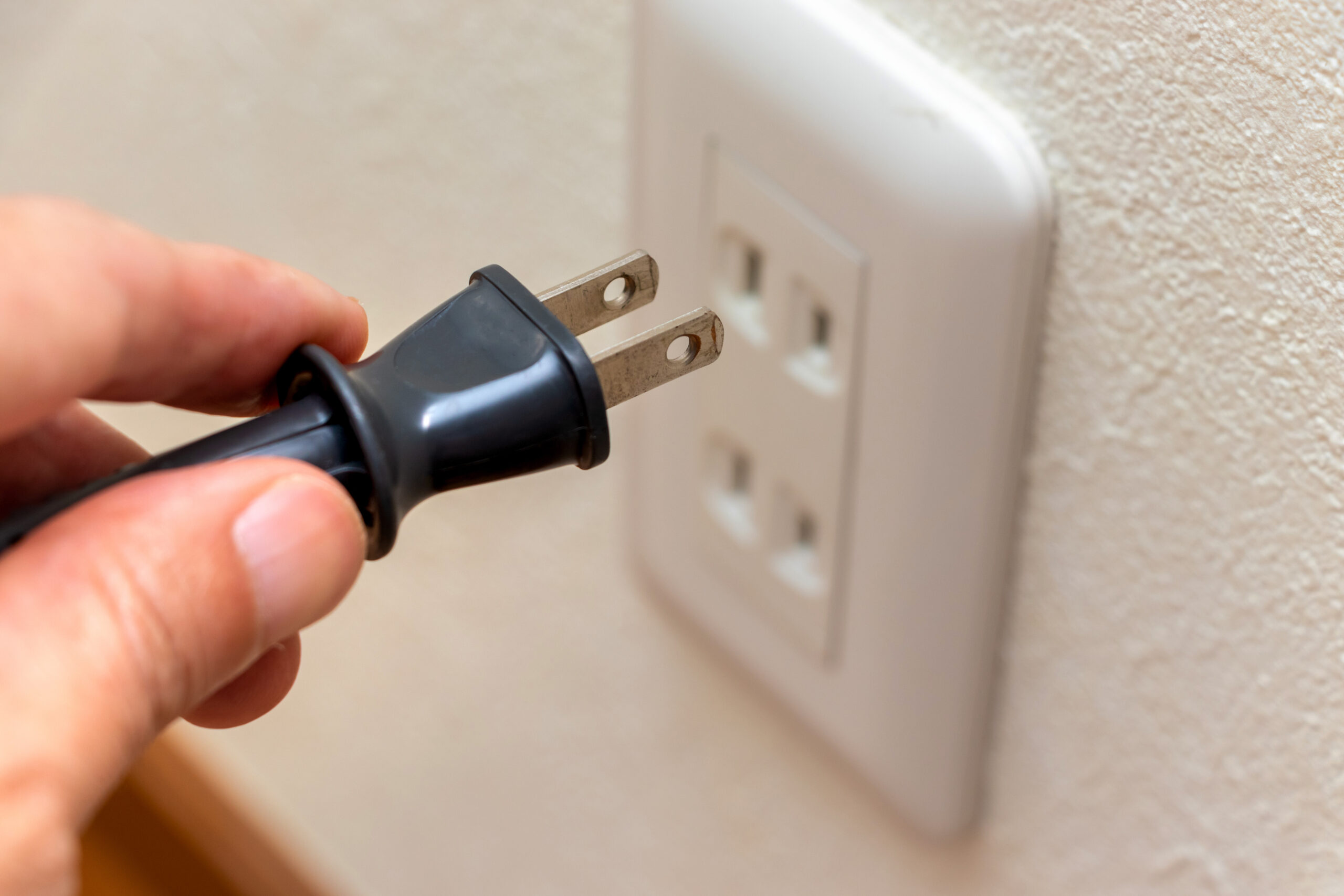
  3. Loose prongs – Sometimes the prongs are bent on an appliance’s plug-in. Unplug and try to straighten the prong(s).
  4. Wrong bulb – If light fixture manufacturers recommend a particular type of light bulb, follow those recommendations. (Light flickers can also occur when the wrong bulb is used with a light-dimmer fixture.)

Call your local Phoenix electrician if you see lights dim or flicker in your home or business. Causes can include:

  1. Electrical panel problems – Your home’s circuit breaker is the most important safety device you have. If you suspect malfunctions, request service immediately.
  2. Outdated/loose wiring – Seventy percent of home fires are caused by bad wiring. An electrical wiring inspection is a good idea, especially if you have an older home.
  3. Overloaded circuit – If flickering happens often or lasts longer than a few seconds, it can be an electrical emergency.
  4. Too-high voltage – If light bulbs don’t last as long as they should, that may be a clue your home’s voltage is too high or fluctuating. In addition to light dims and flickers, signs you have voltage issues can include:
    • Appliances keep tripping off.
    • Flickering/dimming continues after the appliance is turned off.
    • Flickering/dimming happens only when large appliances are turned on.
    • Light bulbs dim/flicker randomly.
  5. Utility problem – If you’re not overusing electricity but several neighbors are, this can cause transformer problems. After your electric company restores service, you may need an electrical inspection to ensure no damage occurred at your end.

Safety First: TIO Electric

Our team of electrical professionals is dedicated to home and family safety for our Valley neighbors. If you experience dimming or flickering lights and are concerned that you may have a problem, we’re ready to answer your questions. Contact Turn It On Electric.

Categories Electrical Wiring, Residential

Electrical Problems: Why Aren’t My Outlets Working?

electrical problems

As one family shared their Thanksgiving meal, most were grateful for health, loved ones, and all the things we value most. But one person said, “running water and electricity.” If you’ve never lived off the grid, you cannot imagine how important your home’s electrical wiring is to your quality of life.

Electrical problems can change everything.

When Home Outlets Have Electrical Problems

Electrical outlets are wall-mounted plates with openings (receptacles) that connect an electrical device or appliance to your electrical supply. To keep the terms simple, you can’t put a light bulb into an electrical outlet. Light bulbs go into sockets. You can plug a lamp into an outlet.

You can have electrical problems with one outlet’s receptacle while the other still works. But any problem with electrical outlets can be dangerous.

The types of electrical outlets in your home can include:

You may not have difficulty yet, but there are signs one or more outlets in your home have electrical problems:

  • Burning odor
  • Buzzing noise
  • Discoloration (brownish/blackening)
  • Feels warm
  • GFCI doesn’t trip (or trips but won’t immediately work afterward)
  • Melted plastic
  • Only 2-prong openings (should be three)
  • Plugs loose/keep falling out
  • Shock when you plug-in
  • Smoke
  • Sparks when you plug-in

5 Reasons Why Your Outlets Aren’t Working

Again, all electrical outlet problems are red flags, but why do they happen?

1. Defective Outlets

This is very uncommon, but it happens. A multimeter can determine if the outlet itself is defective.

2. Half-Hot (Connected) Wiring

Sometimes, even after years of use, you discover you have a “half-hot outlet.” One of the receptacles (usually the bottom plug-in) doesn’t work. You then discover that the plug-in works, but only when a nearby switch is turned on. The top receptacle is wired to be permanently “on,” but the bottom is wired to turn on with the flip of a switch.

3. Loose Wires

Loose wiring can affect one outlet or every outlet along the circuit. There’s no safe way to know if your wiring is loose without bringing in your family electrician. One of our electrical professionals will be happy to stop by for a quick one-outlet loose-wiring check. We’ll charge an upfront, affordable fee because peace of mind and safety are worth it.

4. Serious Fire Risks

The deadliest electrical problems are behind the scenes; usually behind outlets and walls. Some outlets can literally “burn out,” and you may miss the signs. If an outlet quits working for any reason, that’s the time to request an electrical inspection. If there are indicators of burning wires (discoloration, smoke, odor, etc.), request Phoenix emergency electrical service.

5. Temporary Interruptions

If your circuit breaker trips or a fuse blows in the fuse box, you know right away why you have difficulties. And GFCI outlets are designed to trip as a warning of a possible overload. GFCIs protect you against electrical shock from water in kitchens and bathrooms.

Those types of interruptions are temporary and easily fixed. But repeated tripping means there’s something more serious at play. You need to request an electrical service call to discover the real issue.

Electrical Solutions For Phoenix Families

It’s not always about problems. There are amazing electrical conveniences available today. Many homeowners are exploring a world of electrical options that can make life easier and more efficient.

You may start with a remodeling idea or want an electrical inspection with recommendations. LEED-(Leadership in Energy and Environmental Design) certified Turn It On Electric has money-saving, energy-sustainable solutions for your Arizona home.

If you’d like to learn more, contact TIO Electric.