Categories Electric Bill, Residential

Energy Consumption: Which Appliances Use the Most Electricity?

Energy Consumption

You use a blender, curling iron, toaster, and other appliances every morning. They remain conveniently plugged-in, and these idle appliances are called “energy vampires.” They’re using energy – standby power – and can account for as much as 10% of your home’s energy consumption.

Appliances & Energy Consumption

Electricity is measured in watts. A kilowatt (kWh) is 1,000 units of watt-power. Some appliances use more electricity than others. Your smoothie blender, for example, may use 300* watts but ice-crushing, full-powered blenders can use more than 1,000. 

Savvy homeowners unplug their energy vampires. It doesn’t make that much difference; maybe $100/year at the most, but it’s the right thing to do and something our kids need to learn about. Another energy-saving tip is to look for the ENERGY STAR® certification when purchasing electronic products.

5 Biggest Electricity-Using Appliances

Living “off the grid” can be interesting; even exciting, but most of us prefer traditional lifestyles. Still, we want to save energy.

You can’t disconnect your refrigerator, most light fixtures, and other conveniences that enhance your quality of life at home and work. But when appliances and electrical fixtures operate at maximum efficiency and their usage is managed, you save energy and money.

Here are the five appliances that use the most electricity (in order of usage) and ways to reduce their energy consumption:

1. HVAC

Heating, ventilation, and air conditioning systems use the most electricity; about 46% of your total energy consumption. You can save energy and reduce monthly bills if you:

  • “Dress to weather” indoors by wearing lighter clothing in summer and heavier in winter.
  • Get furnace maintenance every fall and air conditioning service every spring.
  • Keep floor vents and the area around the HVAC unit uncluttered and clean.
  • Replace HVAC filters often.
  • Stop running the AC 24/7; turn it on during the hottest daytime hours and at night for cool comfort.
  • Use ceiling fans.
  • Utilize natural sunlight for warmth and curtains to cool-down rooms.

2. Water Heater

Water heaters average 405 kWh/month.

  • Insulate hot water pipes; and consider insulating your water heater.
  • Lower the water heater temperature when on vacation.
  • Set the heating temperature to 120°F or lower.
  • Shower and faucet aerators reduce water use.
  • Shower instead of bathing.
  • Solar water heaters can save 50%-80%.

3. Large Appliances

Refrigerators use 162 kWh/month.

  • Don’t overpack.
  • Dust/clean behind the unit clean for better airflow.
  • Put frequently accessed foods near the door(s).
  • Replace older refrigerators with energy-efficient models.
  • Use the manufacturer’s recommended temperature settings.

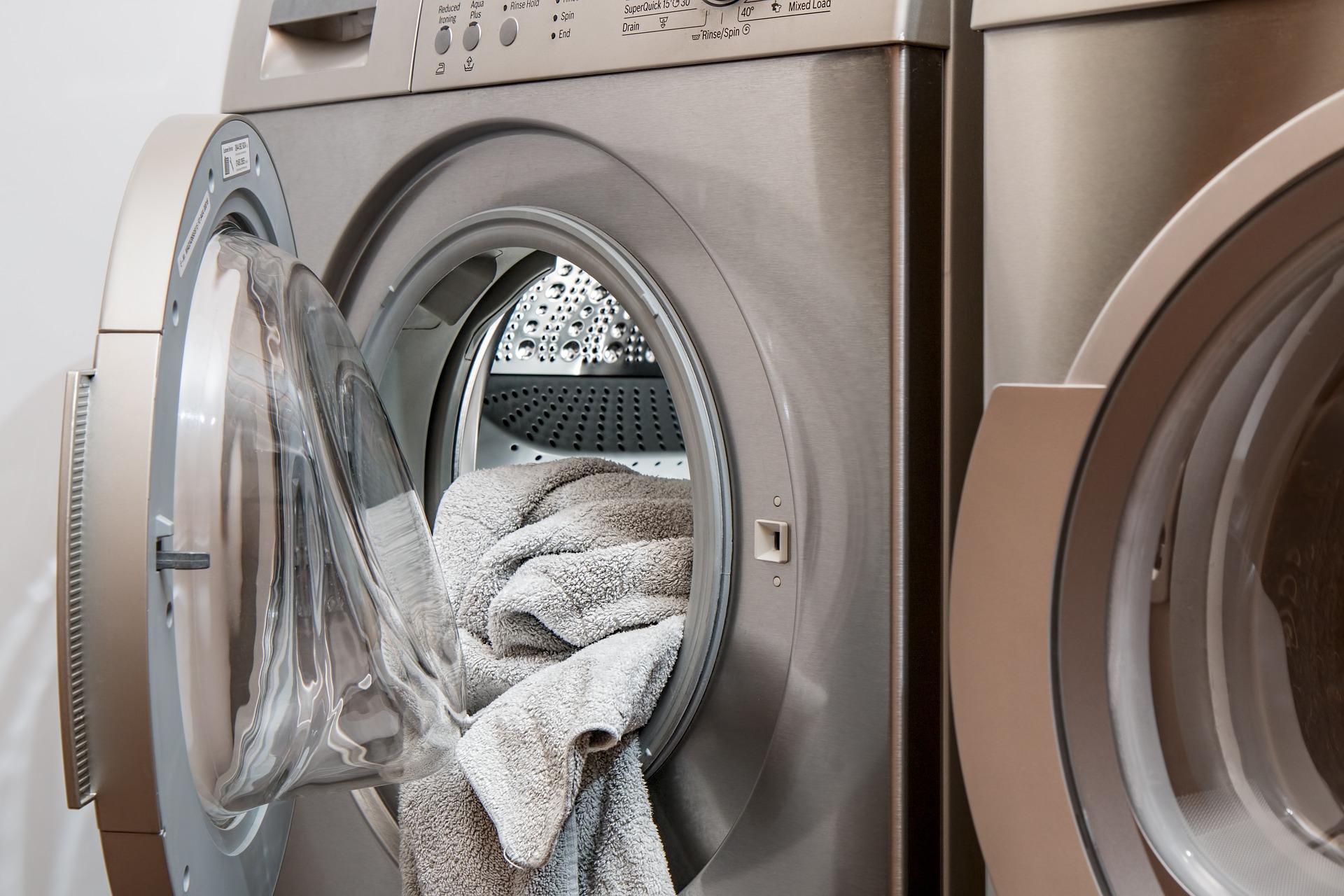
Washers and dryers account for 5% of your home’s total energy consumption.

  • Clean the lint trap after every dryer use.
  • Use cold water.
  • Use drying racks; hanger-dry when possible.
  • Wash full loads only.

Electric ovens and stoves add enough heat to increase your AC load. They use 2,500 watts and 1,500 watts when used 1 hour/day at medium-high heat, respectively.

  • Turn off burners (and sometimes the oven if not cooking meat) before food is done and allow residual heat to finish cooking.
  • Use crockpots, microwaves, electric skillets, etc. when possible.

Dishwashers also add heat to your home.

  • Pre-wash better so you can use shorter cycles.
  • Turn off heated dry.
  • Wash during cooler hours.
  • Wash only full loads

4. Lights

Natural light is always the best option because electric lighting accounts for a significant amount of energy use.

  • Install motion-detecting security lights rather than all-night-on outdoor lights.
  • Put outdoor/indoor lighting on timers.
  • Turn the lights off when you leave rooms.
  • Use LED bulbs and holiday lights.

5. Electronic Media

Families watch as much as 5 hours of television/day and play video games six hours/week. Those devices alone can use 55kWh/month.

  • Consider increasing the family’s reading and board activities.
  • Deactivate quick-start settings.
  • Don’t use standby mode.
  • Reduce screen brightness.
  • Turn it off when not in use.

2023 Electrical Upgrades For Central Arizona

Are you considering landscape lighting or home remodeling this year? Before you tackle any renovation project, request a free estimate for energy-efficient electrical upgrades­­. Safety requirements for smoke detectors were also upgraded in 2022, so you may want a whole-house smoke detector inspection/replacement.

Turn It On Electric is the Phoenix-area licensed electrical contractor for homeowners and homebuilders. To learn more about home electrical upgrades and energy efficiency, contact TIO Electric.
___
*All numbers are estimates.

Categories Electric Bill, Residential

12 Hacks for Electric Bill Savings

electric bill savings

There are many variables that contribute to electric bill savings. If your home is the same basic architecture as your neighbor’s but your electric bill is higher, it’s worth investigating what’s different in your household. Are your family members energy hogs? Another factor is your home’s age. If you have a “good old house,” you can implement electric bill savings using some of these 12 tips.

Home Electric Bill Savings in AZ

To paraphrase a quote, great things can happen when a series of small things are brought together. Electric bill savings are almost insignificant with one or two changes. But when you make several adjustments, you can see significant improvements in your annual electric bill.

Here are twelve energy modifications:

  1. Add window shades to rooms – The sun’s light can warm a room that your AC will struggle to keep cool.
  2. Change your air filter more often – Just changing your air filter once a month can lower your electric bill. It also saves money because your expensive HVAC system won’t have to work so hard.
  3. Consider mini-split AC – In Arizona, air conditioning is our biggest energy expense, and can account for 40%-70% of your electric bill. Mini-split AC units can reduce energy expenses by about 30% for significant electric bill savings. They’re easy to install and also increase property value.
  4. Do laundry at night – And consider air drying.
  5. Get an attic fan – If you’ve climbed into the attic in August, you know exactly how smotheringly hot Arizona attics get. A ventilation fan can cool your attic and force the hot air outside. This can lower the temperature in your home.
  6. Install solar panels – Granted, this isn’t a small change, but it packs a powerful punch in saving electricity. The ROI (return on investment) is realized by reducing energy, tax savings, and increasing property value.
  7. Keep fridge clean – A cluttered refrigerator/freezer pulls more power as it attempts to circulate air properly.
  8. Reduce brightness – Computer and television screens’ brightness can be reduced by as much as 70% without degrading the view.
  9. Request money-saving electrical upgrades – These include:
    • Adding timers to lights
    • Ceiling fans
    • Install dimmer switches
    • LED light replacements
    • Replacing outdoor lights with timed lights
    • Replacing thermostat with smart thermostat (A Wi-Fi thermostat can save $50-$145 annually.)
  10. Schedule a home energy audit – These cost about $100 and will pinpoint areas of your home where you’re losing energy. You can then plan for solutions to stop air conditioning (or heating) the outdoors.
  11. Switch to double-pane windows – This is a surprising upgrade because it doesn’t cost too much but can deliver very good electric bill savings. If you choose Energy Star-certified windows you’ll save even more.
  12. Upgrade your insulation – It’s surprising how many people think insulation is only to keep homes warm in winter. It’s also a factor in keeping homes cool. If it’s compressed or damaged, an investment in adding spray foam insulation can lower energy bills.

Save Money With LEED-Certified Electricians

Reducing your carbon footprint may have an initial higher cost but you’ll save money on electric bills. There are many electrical upgrades to consider, and each one has a timeframe in which your investment pays for itself.

To make sustainable energy changes, you should work with LEED-certified electricians. You won’t necessarily pay more, but you’ll definitely save more. To learn more, contact Turn It On Electric.

Categories Electric Bill, Residential

Quick & Easy Tips to Lower Energy Consumption This Fall

Lower Energy Consumption

Our government is encouraging consumers to reduce energy use. There are new tax advantages to going solar. Solar energy investments could save $500/year in energy costs. Also in place are new lower energy consumption incentives for investing in electric vehicles.

The Inflation Reduction Act of 2022 will effectively lower energy consumption. It can save consumers $209-$278 billion over the next decade. This means approximate annual savings of $170-$220 on your electric bill every year.

Can we do more? Yes!

13 Do-It-Yourself Hacks That Lower Energy Consumption

Today’s game-changing technology and an influx of homeowner-newcomers mean there’s always going to be something new to learn about saving money without compromising lifestyle. Here are tried-and-true energy-saving hacks that lower energy consumption:

  1. Change air filters more frequently – Your HVAC (heating, ventilation, air conditioning) system works harder when filters are dirty. They don’t cost much, so changing air filters more often saves energy.
  2. Check for minor repairs – A drippy or leaky faucet doesn’t seem to waste that much water. But it’s wasteful and an easy DIY fix.
  3. Don’t use the “hot” washer setting – The water doesn’t get hot enough to kill most bacteria anyway. Hot water uses more electricity. It also tends to shrink and erode fabrics, so you’ll get more wear-and-tear from your clothing with cold water.
  4. Go LED – As days grow shorter, we use our lights longer. If you haven’t by now, just do it: An investment in LED lighting is a great long-term energy- and money-saver.
  5. Kill the vampires – If it’s not in use, unplug it. You’re spending $40-$50/year on energy consumption for plugged-in but unused TVs and other electrical devices and appliances.
  6. Reduce washloads – Let the dirty clothes pile up longer if possible. Try to avoid small washer loads and you can save as much as $30/year.
  7. Replace old energy hogs – Older appliances are less energy efficient. If your fridge or water heater is between 12-15 years old, consider upgrading to energy-efficient models.
  8. Timers save energy – Ask your local electrician where timers can be placed to reduce energy consumption.
  9. Toss a towel – Throw a towel into every load to reduce dryer time. This little DIY hack saves energy because even gas dryers must be plugged in.
  10. Turn off the dishwasher’s “heat dry” setting – Air drying and dishtowel drying will save energy.
  11. Turn off the lights – Train your children to turn off lights when exiting rooms. If necessary, train your spouse or partner also.
  12. Turn the thermostat down at night – Phoenix and Yuma are our state’s hottest cities. (Valley temperatures hit a record-breaking 122° in June 1990.) We tend to keep the AC on full blast much of the year. Because it cools down naturally at night, consider dropping your thermostat at bedtime.
  13. Upgrade/add insulation – Insulation batts can compress or degrade over time. Ask your insulation pro if blown-in or additional insulation will lower energy bills.

Ask LEED-Certified Turn It On Electric About Energy Management

A home electric car charging station makes life simpler. Ceiling fans will also lower energy consumption and regulate room temperatures. But electrical installations are not do-it-yourself projects.

Turn It On Electric can install everything from charging stations to light-fixtured ceiling fans. (Ask our TIO specialists how ceiling fan rotation can make a difference.) Our electrical professionals practice Leadership in Energy and Environmental Design. To learn more about energy-saving ideas that can improve security and enhance your lifestyle, contact TIO Electric.