Phoenix, Arizona, is infamous for its extreme summer temperatures, often exceeding 100°F. While residents are accustomed to the heat, the impact of these high temperatures on electrical systems is a significant concern. Understanding why summer temps are so challenging for Phoenix’s electrical infrastructure is crucial for homeowners and businesses alike. This blog post will break down the reasons in simple terms, ensuring everyone can grasp the basics of electrical systems and their vulnerabilities.
The Basics of Electrical Systems
To understand why high temperatures, affect electrical systems, it’s essential to know a few basics:
- Electricity Flow: Electricity flows through wires and circuits, powering everything from air conditioners to lights.
- Conductors: Materials like copper and aluminum, which conduct electricity well, are used in wiring.
- Insulation: Wires are covered in insulating materials to prevent electrical shorts and protect the wires.
How Heat Affects Electrical Components
Increased Electrical Load
During the summer, the demand for electricity spikes as air conditioners, fans, and refrigerators work overtime to keep homes and businesses cool. This increased load puts significant stress on electrical systems, leading to potential problems:
- Overheating: When electrical systems are overloaded, wires and circuits can overheat. This is similar to how an overloaded car engine works harder and can overheat.
- Increased Resistance: Heat increases the resistance in electrical conductors. Higher resistance means wires have to work harder to conduct electricity, generating more heat.
Degradation of Materials
High temperatures can degrade the materials used in electrical systems:
- Insulation Breakdown: The insulating material covering wires can break down faster in extreme heat. When insulation degrades, it can lead to short circuits and electrical fires.
- Metal Expansion: Metals used in wiring expand when heated. This expansion can loosen connections, causing poor electrical conductivity and potential hazards.
Impact on Equipment
Electrical equipment, such as air conditioners, transformers, and circuit breakers, is also vulnerable to heat:
- Air Conditioners: These units have to work much harder to cool homes in extreme heat, leading to increased wear and tear and potential failures.
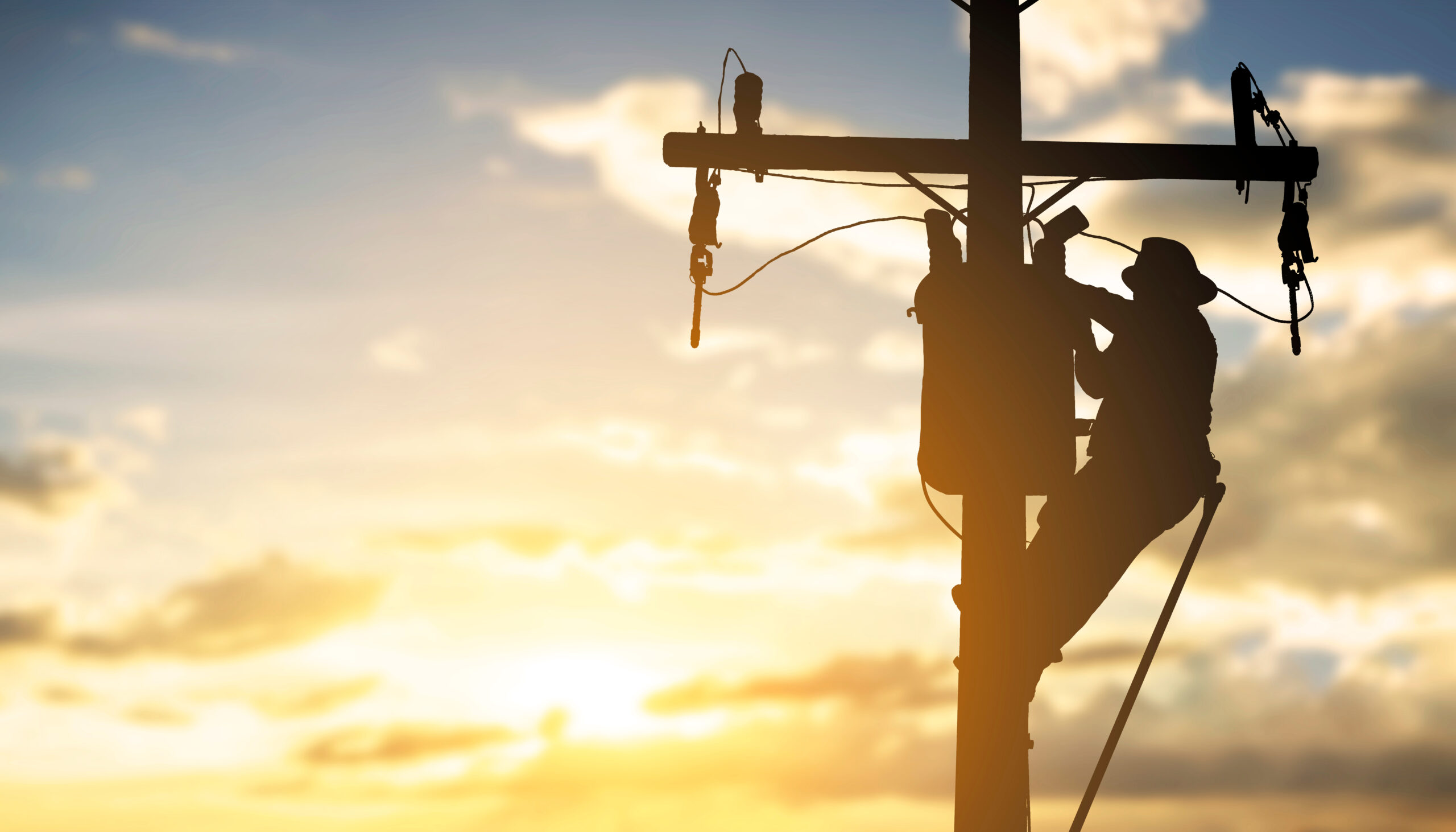
- Transformers: These are critical components of the electrical grid. They step down the high voltage electricity from power plants to the lower voltage used in homes. High temperatures can cause transformers to overheat and fail.
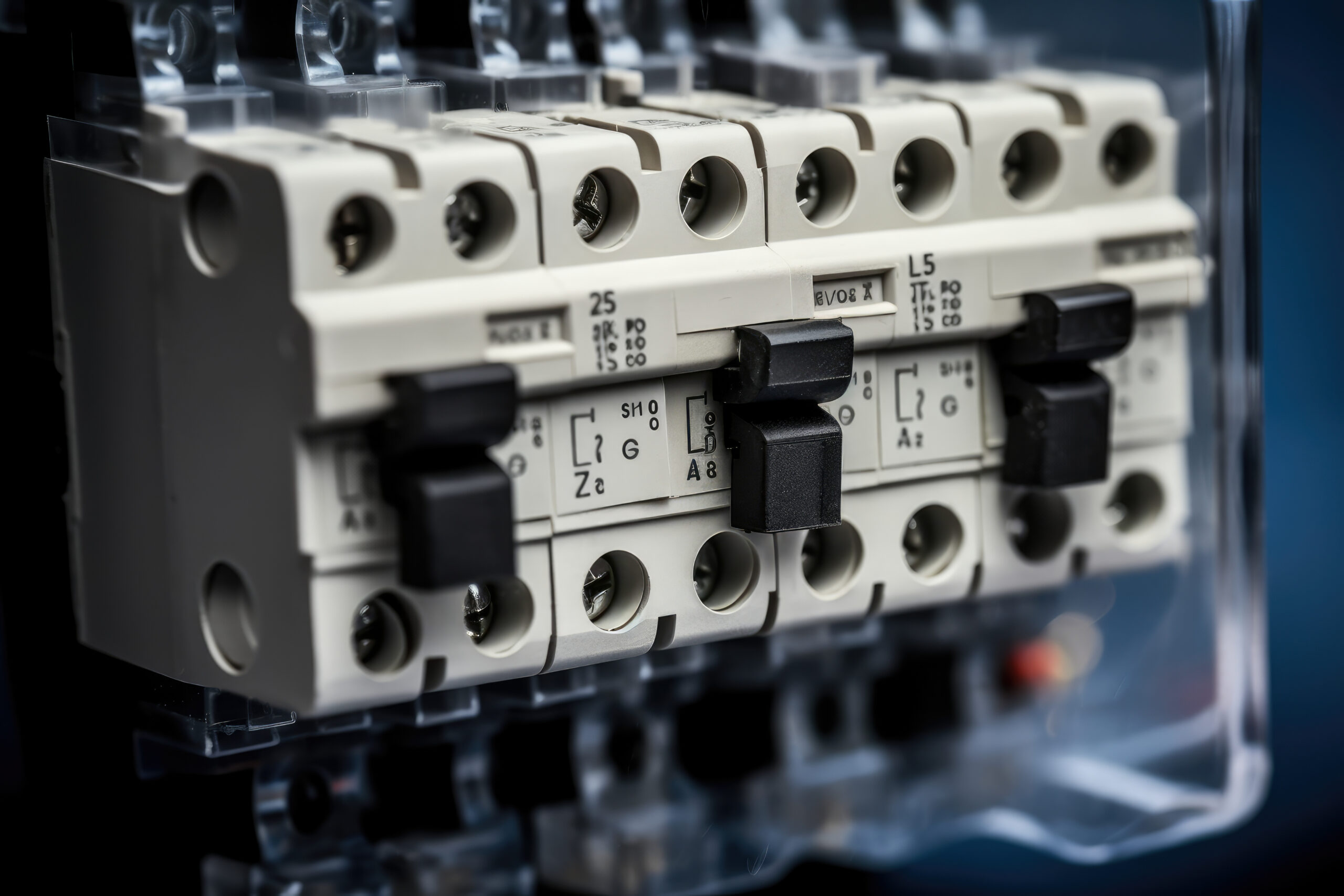
- Circuit Breakers: These safety devices can trip more frequently in high temperatures to prevent overheating and fires, disrupting the power supply.
Specific Challenges in Phoenix
Extreme and Prolonged Heat
Phoenix experiences some of the highest and most prolonged summer temperatures in the United States. This extreme heat puts a continuous strain on electrical systems, unlike in areas with milder climates where systems get a break between heat waves.
Dust and Debris
The desert environment contributes to dust and debris accumulation on electrical components:
- Dust on Insulators: Dust can settle on insulators, reducing their effectiveness and potentially causing electrical arcing.
- Cooling Systems: Dust can clog the cooling systems of electrical equipment, reducing their efficiency and leading to overheating.
Power Surges
With the increased use of air conditioners and other cooling devices, power surges become more common:
- Voltage Fluctuations: As multiple devices turn on and off, the electrical load fluctuates, causing voltage spikes. These surges can damage sensitive electronics and appliances.
Preventative Measures
To mitigate the impact of high summer temperatures on electrical systems, several measures can be taken:
Regular Maintenance
Routine inspection and maintenance of electrical systems can identify and fix issues before they become serious problems:
- Check Insulation: Regularly inspect the insulation on wires and cables for signs of wear and tear.
- Clean Components: Keep electrical components clean and free of dust and debris.
Upgrade Systems
Upgrading outdated or undersized electrical systems can help handle the increased summer load more efficiently:
- Install Surge Protectors: Surge protectors can safeguard appliances and electronics from voltage spikes.
- Upgrade Wiring: Replacing old wiring with new, higher-capacity conductors can reduce overheating and improve efficiency.
Efficient Cooling
Improving the efficiency of cooling systems reduces the overall electrical load:
- Energy-Efficient Appliances: Use energy-efficient air conditioners and fans to reduce electricity consumption.
- Proper Ventilation: Ensure that electrical equipment has adequate ventilation to prevent overheating.
Conclusion
Understanding why summer temperatures are so hard on Phoenix electrical systems highlights the importance of proactive maintenance and upgrades. By taking preventive measures, homeowners and businesses can protect their electrical systems from the extreme heat, ensuring reliability and safety throughout the scorching summer months. Looking to get a free consultation? Contact Turn It On Electric today!
Check Out Our Social Media