
Categories Residential

The Benefits of LED Retrofitting for Older Homes

Why LED Retrofitting is Ideal for Older Homes

Older homes often come with charm and character but can lack the energy efficiency found in modern builds. One of the easiest and most impactful ways to enhance energy savings in an older home is through LED retrofitting. Switching from traditional lighting to LED offers numerous benefits, from cost savings to improved lighting quality, all while reducing environmental impact. For homeowners looking to upgrade without a complete renovation, LED retrofitting is a practical solution that brings both functional and financial rewards.

Energy Efficiency: The Key Driver of LED Retrofitting

The primary reason for switching to LED lighting in older homes is energy efficiency. LEDs (Light Emitting Diodes) consume up to 75% less energy compared to incandescent bulbs. For older homes that may rely on outdated, inefficient lighting, this upgrade can lead to significant reductions in electricity bills. Over time, homeowners can save hundreds, if not thousands, of dollars by making the simple switch to LEDs.

Longevity: A Long-Term Solution for Lighting

Another major benefit of LEDs is their longevity. While incandescent bulbs may need replacing every year or so, LED bulbs can last up to 25 times longer. For homeowners, this means less frequent bulb replacements, reduced maintenance efforts, and fewer trips to the store. Given that many older homes may have hard-to-reach fixtures, such as chandeliers or high-ceiling lights, the longevity of LEDs becomes even more valuable.

Improved Lighting Quality: Better Light, Better Ambiance

One of the often-overlooked benefits of LED retrofitting is the improved quality of light. LED lights are available in a range of color temperatures, from warm yellow tones to crisp white light, allowing homeowners to customize the ambiance of their spaces. Whether it’s creating a cozy living room or brightening up workspaces like kitchens or offices, LED lighting provides flexibility and better overall illumination. LEDs also offer better light distribution, ensuring that spaces are evenly lit, without the harsh shadows often associated with older bulbs.

Reduced Heat Output: A Cooler and Safer Home

Incandescent bulbs are notorious for emitting a significant amount of heat. In contrast, LED bulbs remain cool to the touch, even after long periods of use. For older homes with outdated wiring or limited ventilation, reducing heat output is a significant safety and comfort advantage. By retrofitting with LEDs, homeowners not only improve energy efficiency but also decrease the risk of accidental burns or fire hazards caused by overheated fixtures.

Environmental Impact: A Greener Choice

LED lighting is not just about energy savings; it’s also a greener choice for the environment. LEDs contain no harmful chemicals like mercury, which is found in some traditional bulbs. Additionally, their longer lifespan means fewer bulbs end up in landfills. For eco-conscious homeowners looking to reduce their carbon footprint, retrofitting an older home with LEDs is a practical step toward sustainability.

Compatibility with Smart Home Systems

Modern lighting solutions, like LEDs, are often compatible with smart home systems. Many older homes weren’t designed with smart technology in mind, but LED retrofitting allows homeowners to take advantage of features like smart dimming, scheduling, and remote control through smartphone apps. This integration can increase convenience and help further optimize energy usage by allowing homeowners to adjust lighting based on their routines.

Versatility in Design: LEDs Fit Any Style

LEDs aren’t just for standard light fixtures. They come in many different styles, from vintage filament designs to modern recessed lighting, allowing them to seamlessly integrate into any home, regardless of architectural style or interior design. For older homes that may boast historical charm or unique design elements, LEDs offer the versatility to maintain the home’s aesthetic while bringing it into the modern era.

Easy Installation: A Straightforward Upgrade

Retrofitting an older home with LED lighting is a relatively simple process, often requiring no extensive rewiring or construction. Most LED bulbs are designed to fit into existing fixtures, making the transition quick and hassle-free. This is especially important for homeowners who want to maintain the original character of their home without embarking on a major renovation project.

LED retrofitting offers a wealth of benefits, from energy efficiency and cost savings to improved lighting quality and safety. For older homes, the transition to LED lighting is an easy yet impactful upgrade that modernizes without sacrificing the home’s charm. Whether you’re looking to reduce your environmental footprint, lower utility costs, or enhance the lighting experience in your home, LED retrofitting is a practical solution that offers immediate and long-lasting rewards.

Categories Residential

Electrical Panel Upgrades/Replacements: Why, How, and When

What is an Electrical Panel, and Why is It Important?

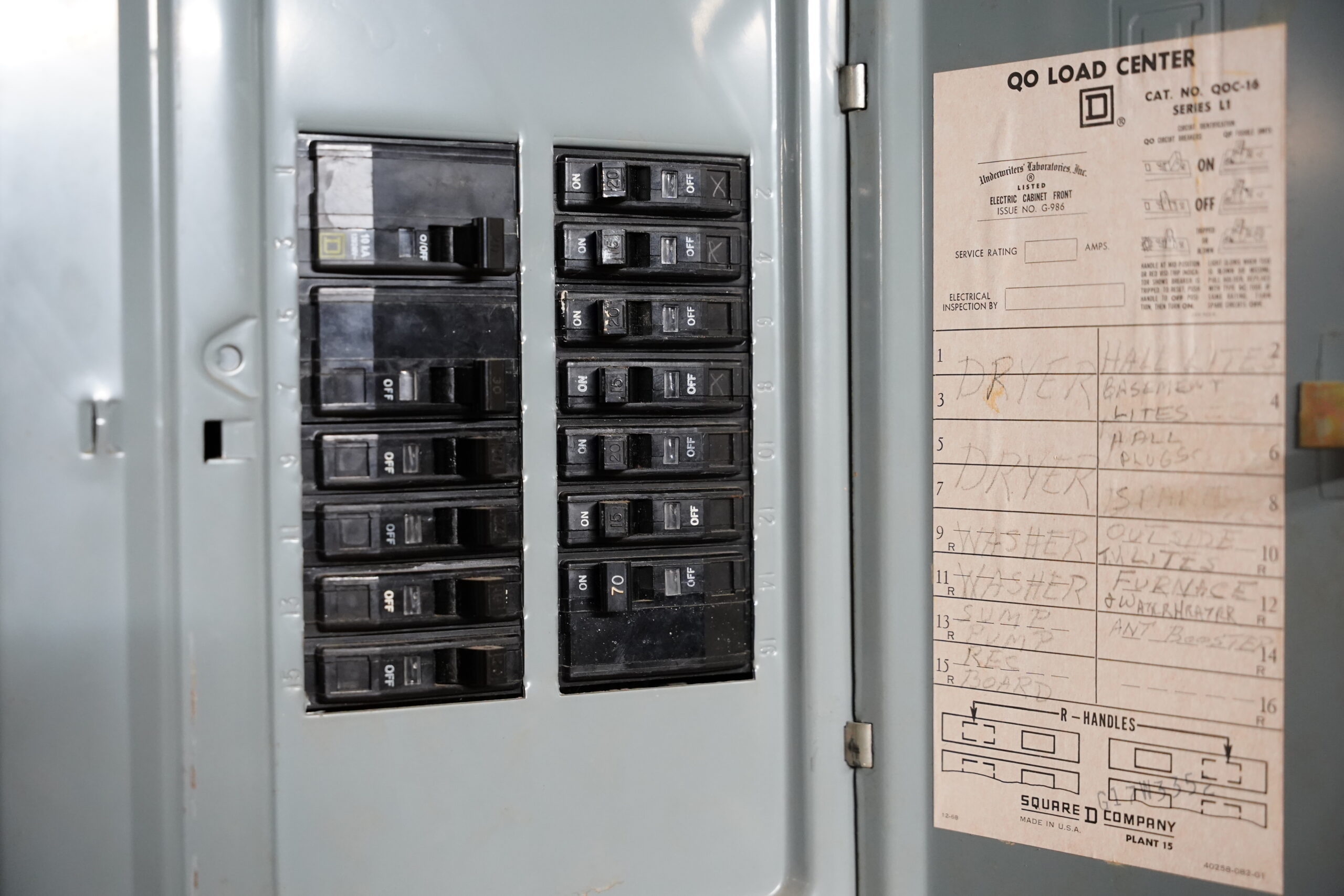
Your home’s electrical panel, often referred to as the breaker box, is the central hub for distributing electricity throughout your house. It ensures that every appliance, light, and device gets the power it needs to operate safely and efficiently. As homes become more reliant on technology and electrical devices, the importance of a modern, well-functioning panel becomes even more critical. Without it, homes could face electrical inefficiencies or even hazards.

Signs It’s Time to Upgrade Your Electrical Panel

Frequent Circuit Breaker Trips

One of the most common signs that your electrical panel is struggling is frequent tripping of circuit breakers. This happens when the panel cannot keep up with the demand for power, causing it to shut off circuits to prevent overheating or overloading.

Flickering Lights and Power Surges

If your lights flicker or dim when you turn on an appliance or device, it may indicate that your panel is not distributing electricity evenly. Additionally, experiencing frequent power surges can point to an overloaded system, which puts your home at risk of electrical damage.

Use of Fuse Boxes or Outdated Panels

Homes with old fuse boxes or outdated panels are more susceptible to electrical failures and even fire hazards. Many of these older systems were not designed to handle modern power demands and can be a danger to your home’s safety.

Insufficient Capacity for Modern Technology

With the increase in home technology such as smart devices, EV chargers, and larger appliances, many older electrical panels simply don’t have the capacity to handle the load. If you’re planning to install high-energy consumption equipment, such as an electric vehicle charger, you may need to upgrade your panel to ensure it can manage the additional power.

Benefits of Upgrading Your Electrical Panel

Increased Capacity for Future Technology

A modern electrical panel provides more amperage, allowing it to handle the demands of the latest technology. Whether you’re installing energy-efficient appliances, adding smart home systems, or preparing for an electric vehicle, upgrading your panel ensures that your home is future-proofed.

Improved Energy Efficiency and Reduced Electrical Costs

New electrical panels are designed to distribute power more efficiently, reducing energy wastage and potentially lowering your utility bills. With an upgraded panel, you may also experience fewer power surges, extending the lifespan of your home appliances.

Enhanced Home Safety

An upgraded electrical panel provides better circuit protection, reducing the risk of fire or electrical hazards. Older systems may not have the necessary safeguards to prevent overheating or overloading, making modern systems a safer option for any home.

Boosted Home Value for Resale

Electrical upgrades, especially panel replacements, can significantly increase your home’s resale value. Potential buyers are more likely to be attracted to homes with modern, safe, and energy-efficient electrical systems, seeing them as a key investment.

What to Expect During an Electrical Panel Upgrade

Initial Inspection and Assessment by a Licensed Electrician

Before any work begins, a licensed electrician will conduct a thorough inspection of your home’s electrical system. They will assess the current panel, wiring, and circuit breakers to determine if an upgrade is necessary and if any additional work is required.

Typical Installation Process and Timeline

The installation process typically involves replacing the old panel with a new one, upgrading wiring and other components where necessary, and testing the system to ensure proper functionality. The job usually takes one day but may extend depending on additional work.

Necessary Permits and Compliance with Electrical Codes

Upgrading an electrical panel requires proper permits to ensure compliance with local and national electrical codes. Here at Turn It On Electric, our office staff handles all city and power company coordination on your behalf, ensuring an efficient and stress-free process.

Electrical Panel Upgrade Costs: Factors to Consider

Panel Size and Capacity

The size of the electrical panel you choose directly impacts the cost. Smaller 100-amp panels are less expensive but may not provide enough power for modern homes. Larger panels, such as 200-amp or 400-amp systems, provide more capacity but come with higher upfront costs.

Labor Costs for Installation

Labor costs will vary based on the complexity of the installation. If you need additional wiring or meter box upgrades, these will add to the total cost. It’s also critical to take into account the placement of the panel itself. It’s vital to get a detailed quote from your electrician to avoid surprises.

Additional Work

If your home requires additional work, such as rewiring or replacing the meter box, the overall cost will increase. Homes with older wiring systems may also need circuit upgrades to handle the new panel’s capacity, which can add to the complexity of the installation.

How to Choose the Right Electrical Panel for Your Home

Amperage Ratings (100A, 200A, 400A) and What They Mean

The amperage rating of an electrical panel determines how much power it can handle. A 100-amp panel may suffice for smaller homes with basic electrical needs, but for modern homes with advanced technology, a 200-amp panel is often the better choice. For larger homes or those expecting significant future power use (e.g., multiple EV chargers or solar power systems), a 400-amp panel may be ideal. Though, keep in mind, panels of these size are typically only used in commercial settings.

Future-Proofing for Technology Upgrades

When upgrading your panel, it’s wise to think ahead. Installing a panel that can support future technology, such as electric vehicle chargers, smart home systems, and renewable energy sources, ensures you won’t need another upgrade in the near future.

Why Turn It On Electric is Your Best Partner for Panels

Turn It On Electric provides expert services for electrical panel upgrades. Our licensed, bonded, and insured technicians have extensive experience with modern electrical systems and panels, ensuring that your upgrade is done safely, efficiently, and in compliance with all local electrical codes. Whether you’re looking to increase your panel’s capacity or upgrade for safety reasons, we offer professional solutions that fit your needs and budget.

Upgrading your electrical panel is a smart investment that improves your home’s safety, energy efficiency, and value. If you’re experiencing any issues such as frequent breaker trips or considering the addition of high-energy devices like EV chargers, it’s time to consult with a professional. Turn It On Electric is here to help with expert consultations and seamless panel upgrades to meet your home’s needs today and in the future. Contact us today for a free quote!

Categories Uncategorized

Navigating Electrical Challenges in Older Homes

Owning an older home comes with its unique charm and a set of challenges, especially when it comes to the electrical system. In 2024, the gap between the electrical demands of contemporary lifestyles and the capabilities of older home systems is more pronounced than ever. At Turn It On Electric, we specialize in bridging this gap with modern solutions that enhance safety, efficiency, and functionality.

Understanding the Challenges in Older Homes

Outdated Wiring:

Many older homes still rely on wiring systems that were installed decades ago. Materials like knob-and-tube or aluminum wiring, common in homes built before the 1970s, are not equipped to handle today’s electrical load. Replacing old wiring with copper wiring, conforming to current codes, is a crucial upgrade. It ensures safety, capacity for higher loads, and compatibility with modern appliances.

Insufficient and Inconvenient Outlet Placement:

Older home designs did not anticipate the current high usage of electronics, leading to a scarcity of outlets. This often results in over-reliance on extension cords, creating potential safety hazards. Professionally installing additional outlets and strategically relocating existing ones can significantly enhance convenience and reduce dependence on extension cords.

Lack of Grounding and GFCI Protection:

Modern homes have grounded electrical systems for safety, which is often missing in older constructions. Similarly, Ground Fault Circuit Interrupter (GFCI) outlets, crucial in wet areas, are typically absent. Installing GFCI outlets in bathrooms, kitchens, and other wet areas provides additional protection against electric shock.

Obsolete Electrical Panels:

Older electrical panels may not only lack sufficient capacity but also fail to meet current safety standards, posing risks of overload and electrical fires. Replacing outdated electrical panels with modern ones ensures safer power distribution and supports additional circuits, which is critical for today’s electrical needs.

Smart Home Adaptations:

Integrating smart home technologies can improve efficiency and safety. This includes smart thermostats, lighting, and security systems that can be adapted to work with the existing setups in older homes.

Navigating the Upgrade Process

Professional Assessment:

A thorough electrical inspection by licensed professionals is the first step. This helps identify the specific challenges and appropriate upgrades needed for your home.

Customized Upgrade Plan:

Based on the assessment, a customized plan that addresses your home’s specific needs and your personal preferences should be developed.

Prioritizing Safety and Compliance:

Ensuring that all upgrades comply with current electrical codes and safety standards is paramount. This not only guarantees safety but also adds value to your property.

Staged Implementation:

Depending on budget and necessity, upgrades can be implemented in stages, starting with the most critical aspects like safety upgrades.

Navigating the electrical challenges in older homes requires a careful blend of respect for their historical integrity and the adoption of modern solutions. In 2024, with the right expertise and approach, these charming homes can be as safe, efficient, and technologically adept as any modern residence. Turn It On Electric is dedicated to providing homeowners with the best solutions tailored to their unique needs. If you’re facing electrical challenges in your older home, contact us and take the first step towards safe and modern living.

Categories Residential

New Year, New Home: Electrical Upgrades for 2024

As we usher in 2024, it’s not just a time for personal resolutions but also for renewing and upgrading our living spaces. One crucial aspect often overlooked is the electrical system of our homes. At Turn It On Electric, we believe that the New Year is the perfect opportunity to give your home’s electrical system the attention it deserves. Upgrading your electrical system is not just about enhancing functionality; it’s a significant step towards ensuring safety and improving efficiency.

Why Upgrade Your Electrical System?

Enhanced Safety:

Outdated or deteriorating electrical systems are a primary cause of home fires. Upgrades can mitigate risks by replacing old wiring, updating overloaded circuits, and installing modern circuit breakers that are more sensitive and reliable.

Energy Efficiency:

Modern electrical systems and components are designed for energy efficiency. Upgrades like LED lighting, energy-efficient appliances, and smart home systems can lead to substantial savings on your energy bills.

Increased Home Value:

Investing in your home’s electrical system can increase its market value. A modern, safe, and efficient electrical system is a significant selling point in today’s real estate market.

Adaptation to Modern Needs:

With the increase in home automation technologies and smart devices, modern households require more robust electrical systems to handle increased loads and technological demands.

Starting the Year with an Electrical System Checkup

A comprehensive electrical checkup by a licensed professional is the best way to start. This inspection includes:

  • Assessing the condition of wiring, outlets, and switches.
  • Testing circuit breakers and electrical panels for efficiency and safety.
  • Evaluating the overall load capacity and identifying any potential overload issues.
  • Inspecting outdoor electrical systems, including security lighting and landscape wiring.

Key Upgrades to Consider in 2024

Panel Upgrade:

If your home still operates with an older electrical panel, upgrading to a new, higher-capacity panel is crucial to handle modern electrical demands safely.

Smart Home Automation:

Embrace technology with smart home upgrades. Smart thermostats, lighting, and security systems offer not only convenience but also energy savings.

Surge Protection:

Whole-home surge protectors safeguard your electronics and appliances from voltage spikes, common in storm-prone areas or with unstable power grids.

Energy-Efficient Lighting:

Transition to LED lighting for better energy efficiency and longer lifespan than traditional lighting options.

Electrical Outlets:

Upgrading to GFCI (Ground Fault Circuit Interrupter) outlets in areas prone to moisture, like kitchens and bathrooms, enhances safety.

The New Year is an opportunity for a fresh start, and what better way to begin than by ensuring the heart of your home’s functionality – the electrical system – is updated, efficient, and safe. Upgrading your home’s electrical system is an investment in peace of mind, safety, and the future.

Ready to make your home safer and more efficient in 2024? Contact Turn It On Electric for a professional consultation and start the New Year on the right note. We’re committed to helping homeowners make the best choices for their electrical needs.