Categories Residential

Common Electrical Issues in Older Homes and How to Address Them

Older homes often come with charm and character, but they also come with outdated electrical systems that can pose safety risks. Let’s explore common electrical issues found in older homes and provide solutions for addressing them effectively.

1. Outdated Wiring

Many older homes have outdated wiring systems such as knob-and-tube or aluminum wiring, which are not only inefficient but can also be hazardous. Instead, rewire your home with modern, safer materials like copper.

2. Insufficient Electrical Capacity

Older homes were not designed to handle the electrical demands of modern appliances and devices, leading to frequently tripped breakers and overloaded circuits. Upgrading the electrical panel to increase capacity and add more circuits.

3. Lack of Grounding

Many older homes lack proper grounding, which is essential for safety and protecting electronic devices.Install ground fault circuit interrupter (GFCI) outlets in areas with water exposure, like kitchens and bathrooms, and ensure that the entire home is properly grounded.

4. Faulty Outlets and Switches

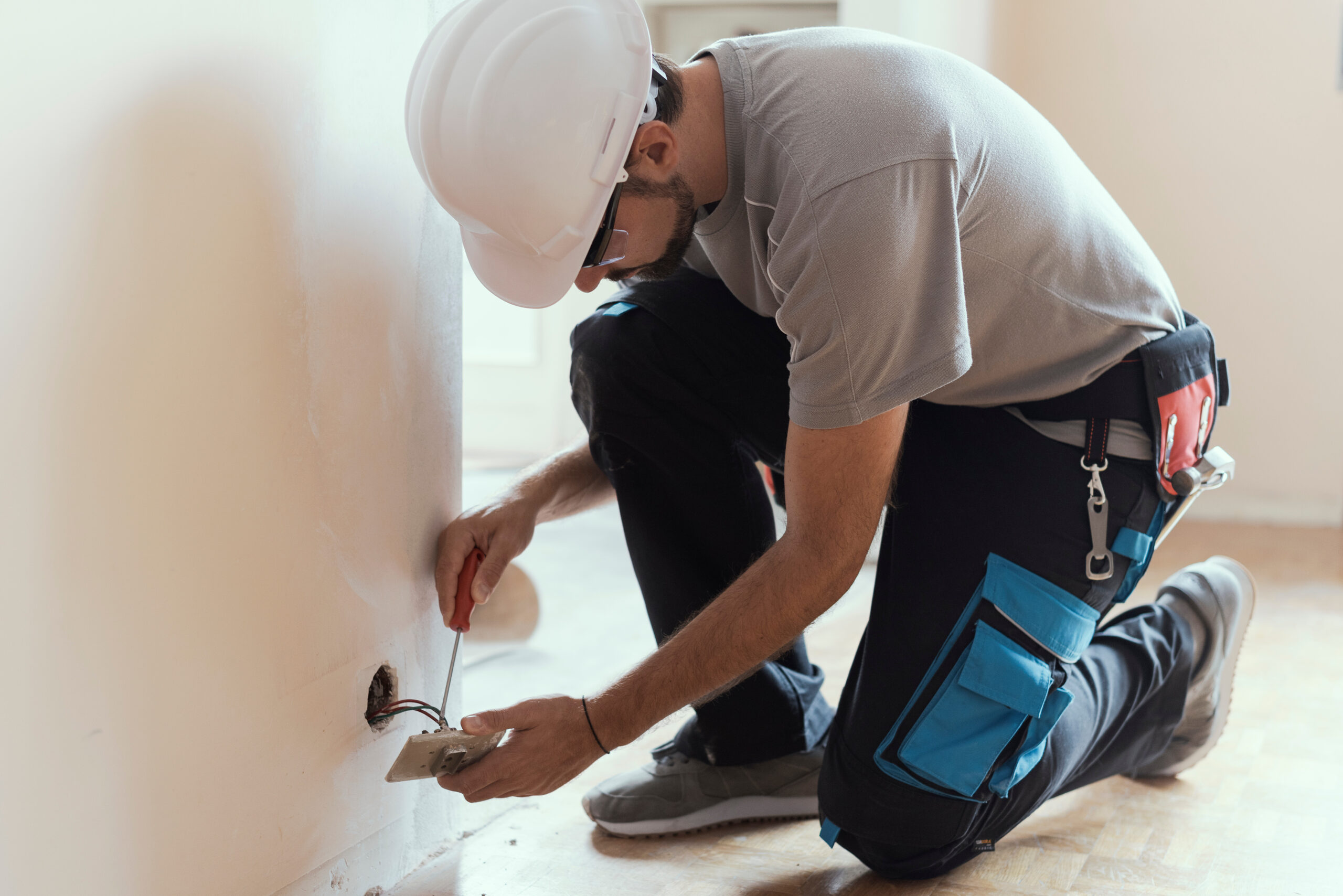
Worn-out or faulty outlets and switches are common in older homes, posing a risk of electrical shock or fire. Replace old outlets and switches with modern, safer ones, and consider tamper-resistant outlets for added safety.

5. Overloaded Circuits

Older homes often have fewer circuits, leading homeowners to overuse power strips and extension cords. Adding additional circuits to distribute the electrical load more evenly and safely throughout the home.

6. Frequent Power Surges

Power surges can damage appliances and electronics, and older homes are more susceptible to these issues. Install whole home surge protectors to safeguard against voltage spikes.

7. What to Consider Before Calling an Electrician

  • Identify the specific electrical issues you are experiencing.
  • Understand that addressing electrical problems in older homes can be an investment that can be costly.
  • Ensure you hire a licensed and bonded electrician, like Turn It On Electric, to handle the complexities of older home electrical systems.

Maintaining the electrical safety of older homes is crucial. By addressing common issues and upgrading outdated systems, you can enjoy the charm of your older home without compromising on safety and efficiency.

If your home is experiencing any of these electrical issues, contact Turn It On Electric for a comprehensive assessment and professional solutions. Our experienced electricians are here to ensure your home’s electrical system is safe and up to date.

Categories Residential

Protect Your Home with Whole House Surge Protection

Power surges can wreak havoc on your home’s electrical system, damaging appliances and electronics. A whole house surge protector can safeguard your home from these unexpected spikes in electricity, ensuring the longevity and safety of your electrical devices. In this post, we’ll explain what whole house surge protectors are, the different types available, signs you may need one, and the benefits they provide.

What is a Whole House Surge Protector?

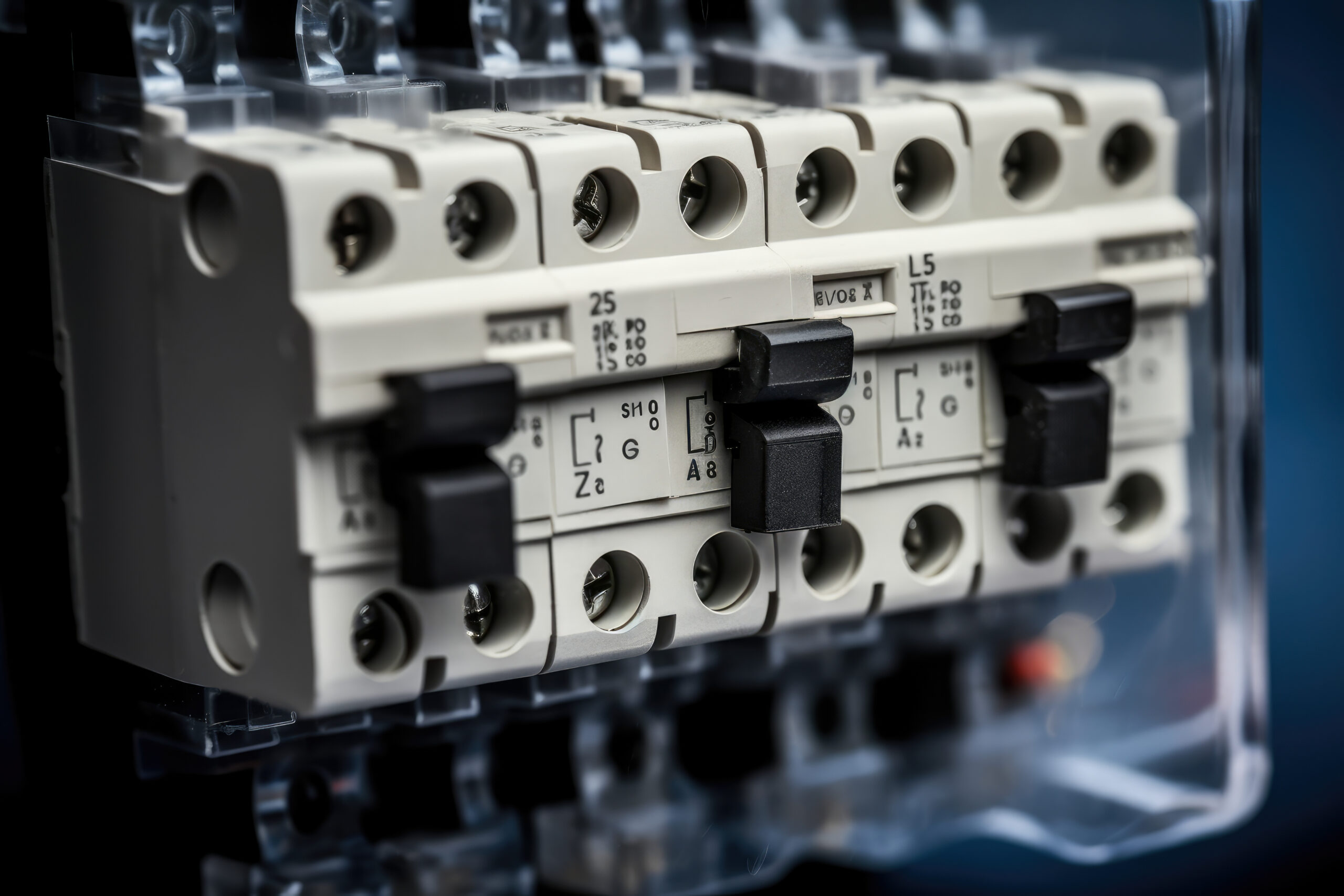
A whole house surge protector is a device installed in your home’s main electrical panel that protects all your electrical devices from voltage spikes. These spikes can be caused by lightning strikes, power outages, or the operation of large appliances.

Types of Whole House Surge Protectors:

  • Primary Surge Protectors: Installed at the main electrical panel, they provide the first line of defense against external surges.
  • Secondary Surge Protectors: These are installed at the point of use, such as at individual outlets, to provide additional protection.
  • Service Entrance Surge Protectors: Installed where electricity enters the home, these protect against surges from external sources like lightning.

Signs You Need a Whole House Surge Protector:

  • Frequent Power Surges: If your home experiences frequent power surges, it’s a clear sign you need a surge protector.
  • Flickering Lights: Frequent dimming or flickering lights can indicate unstable power flow.
  • Burning Smell: A burning odor near outlets or electrical panels can be a sign of power surges damaging your wiring.
  • Damaged Appliances: If appliances frequently fail or show signs of electrical damage, surges might be the cause.

Benefits of Installing a Whole House Surge Protector:

  • Protection for All Devices: Safeguards all your electronics and appliances, reducing the risk of damage.
  • Enhanced Safety: Prevents potential electrical fires caused by power surges.
  • Increased Lifespan of Appliances: By protecting against surges, you can extend the life of your home’s electronic devices and appliances.
  • Cost Savings: Avoid costly repairs or replacements of damaged electronics.

Potential Risks and Dangers of Not Having a Surge Protector:

  • Damage to Electronics: Without protection, power surges can easily damage or destroy expensive electronics.
  • Fire Hazard: Surges can cause electrical fires, posing a significant risk to your home and family.
  • Frequent Replacements: The absence of surge protection can lead to more frequent replacement of appliances and devices.

What to Consider Before Calling an Electrician for Installation:

  • Assess Your Home’s Needs: Determine which appliances and areas of your home require the most protection.
  • Budget: Whole house surge protectors vary in cost. Consider your budget and the level of protection you need.
  • Professional Installation: Ensure you hire a licensed and bonded electrician, like Turn It On Electric, for safe and proper installation.
  • Maintenance: Ask about the maintenance required for your surge protector to ensure it remains effective over time.

Installing a whole house surge protector is a crucial step in safeguarding your home’s electrical system. By understanding the types, benefits, and signs you need one, you can make an informed decision. Turn It On Electric offers professional installation services to ensure your home is protected from power surges.

Don’t wait until it’s too late. Contact Turn It On Electric today to schedule your whole house surge protector installation and keep your home and electronics safe from unexpected power surges.

Categories Residential

Understanding and Protecting Against Electrical Overloads

In the intricate world of residential electricity, understanding voltage variations and their potential impact is crucial for every homeowner. Voltage variations can lead to electrical overloads, posing significant risks to your home’s electrical system and devices. At Turn It On Electric, we emphasize the importance of being informed and prepared. This blog will delve into the nature of voltage variations, the risks associated with electrical overloads, and the essential steps for protection and prevention.

Understanding Voltage Variations and Electrical Overloads

What Are Voltage Variations?

Voltage variations refer to fluctuations in electrical power supply. These can be brief surges, sags, or more prolonged undervoltages or overvoltages.

Causes of Voltage Variations:

External factors can include utility grid switching, lightning strikes, or power outages.

Internal factors within a home, like high-powered appliances cycling on and off, can also create fluctuations.

Risks of Electrical Overloads:

Overloads occur when the electrical system or a circuit receives more electricity than it can safely handle, leading to potential hazards like circuit damage, appliance malfunction, or in severe cases, fires.

Preventing and Protecting Against Electrical Overloads

Proper Circuit Design and Load Management:

Ensuring your home’s electrical system is correctly designed to handle the electrical load is the first line of defense. This involves having appropriately rated circuit breakers and well-distributed circuits.

Surge Protectors and UPS Systems:

Surge protectors are crucial in safeguarding your electronics from transient surges. For sensitive electronics, Uninterruptible Power Supply (UPS) systems can provide additional protection from voltage sags and brief outages.

Regular Electrical System Maintenance:

Routine check-ups by licensed electricians can identify potential overload risks, ensuring all components function within safe parameters.

Upgrading Outdated Electrical Panels:

Older electrical panels may be more prone to overload issues. Upgrading to a modern panel can enhance the overall safety and efficiency of your home’s electrical system.

Understanding the Role of Circuit Breakers

Circuit Breaker Functionality:

Circuit breakers are designed to automatically shut off electrical flow when a circuit exceeds its rated load, preventing overheating and potential hazards.

Importance of Regular Circuit Breaker Checks:

Homeowners should routinely check their circuit breakers to ensure they are functioning correctly and have not become overly sensitive or unresponsive.

Voltage variations and the subsequent risk of electrical overloads are critical considerations for maintaining a safe and efficient home electrical system. By understanding these concepts and implementing protective measures, homeowners can significantly mitigate the risks. Turn It On Electric is dedicated to providing expert guidance and services to ensure your home’s electrical system is robust, safe, and well-equipped to handle everyday demands and unexpected fluctuations alike. Contact us today for a comprehensive electrical safety assessment or any upgrades, our team of skilled professionals is here to assist you.