
Categories Residential

Preparing for Monsoon Season: Electrical Safety Tips for Phoenix Residents

Monsoon season in Phoenix brings heavy rains, strong winds, and lightning storms. These elements can pose significant risks to your home’s electrical system. As professional electricians, we understand the importance of protecting your electrical infrastructure during this volatile season. Here are essential tips to ensure your home remains safe and functional.

1. Inspect and Safeguard Outdoor Electrical Fixtures

Monsoon rains can severely affect outdoor electrical fixtures. Here’s what to do:

  • Weatherproofing: Ensure all outdoor outlets, light fixtures, and junction boxes are weatherproofed. Use weather-resistant covers to protect them from water ingress.
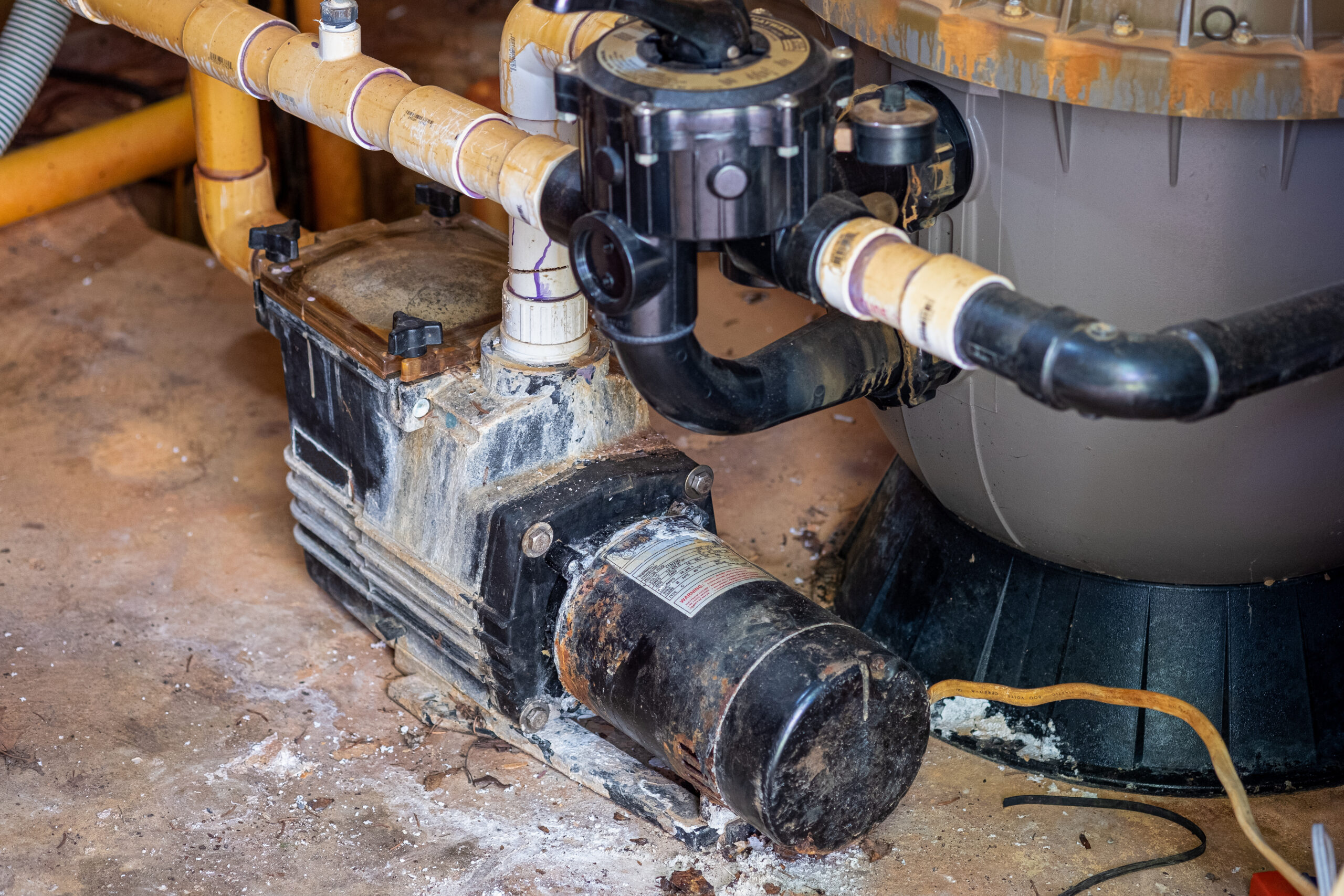
  • Elevate Equipment: Raise outdoor electrical equipment such as AC units and pool pumps to prevent water damage. This simple step can prevent costly repairs or replacements.
  • Seal Exposed Wiring: Any exposed wiring should be covered with weather-resistant materials to prevent short circuits caused by water exposure.

2. Ensure Proper Drainage Around Electrical Panels

Water intrusion around electrical panels can be dangerous. Follow these steps to ensure proper drainage:

  • Clear Debris: Regularly clear debris from around your electrical panel and outlets to ensure water flows away from these areas.
  • Install Drainage Systems: If your home is prone to flooding, consider installing drainage systems or sump pumps to redirect water away from critical electrical areas.
  • Waterproof Barriers: Use waterproof barriers around your electrical panel to prevent water from reaching it during heavy rains.

3. Secure Your Whole Home Generator

A whole home generator is essential for maintaining power during outages. Here’s how to ensure its reliability:

  • Professional Installation: Ensure your whole home generator is installed by a licensed professional. This guarantees that it meets all safety and compliance standards.
  • Routine Inspections: Schedule regular inspections and maintenance checks to ensure your generator is in optimal condition and ready to operate during an outage.
  • Automated Systems: Invest in an automated transfer switch that allows your generator to start automatically when power is lost, ensuring continuous electricity supply during storms.

4. Use Surge Protectors

Power surges are common during monsoon storms due to lightning strikes and power fluctuations. Protect your electronics with the following:

  • Whole House Surge Protectors: Install a whole house surge protector at your main electrical panel to safeguard all your devices and appliances from voltage spikes.
  • Point-of-Use Protectors: Use additional surge protectors for sensitive electronics such as computers, TVs, and home entertainment systems for added protection.

5. Regular Electrical Maintenance

Regular maintenance is crucial to identify and rectify potential electrical issues before they become serious problems:

  • Professional Inspections: Schedule annual inspections with a licensed electrician to ensure your electrical system is in top condition.
  • Check for Wear and Tear: Regularly check for signs of wear and tear on your electrical components, such as frayed wires, corroded connections, and outdated fixtures.

6. Backup Plans and Emergency Preparedness

Being prepared for power outages is essential for safety and comfort:

  • Emergency Kit: Keep an emergency kit with flashlights, batteries, a portable phone charger, and other essentials handy.
  • Contact Information: Have the contact information of a reliable electrician, like Turn It On Electric, readily available for emergencies.

Monsoon season in Phoenix can pose serious risks to your home’s electrical system. By taking these precautionary steps, you can protect your home and ensure your electrical system remains safe and operational. Turn It On Electric is here to help with all your electrical needs, providing expert services to keep your home safe during the stormy season.

Prepare your home for the monsoon season with the help of Turn It On Electric. Contact us today for expert electrical services tailored to Phoenix residents. Ensure your home’s electrical system is storm-ready and secure with our professional assistance.


CHECK OUT OUR SOCIALS TO STAY UP TO DATE ON DEALS WE OFFER, ELECTRICAL INSIGHTS, AND MUCH MORE!

Categories Residential

No Splash? Steps to Take When Your Pool System Loses Power

Experiencing a power outage in your pool system can throw a wrench in your leisure plans, not to mention the potential risks and inconveniences it poses. Knowing how to troubleshoot this issue can save your day. Whether it’s a simple fix or requires professional help, understanding the right steps to take is crucial.

Initial Checks

Before diving into more complex troubleshooting, start with the basics:

Main Power Source: Confirm that your home’s main power supply is on and that the issue isn’t a general power outage.

Circuit Breaker: Often, the solution is as simple as flipping a tripped breaker switch back to its operational position.

Visual Inspection: Look for any obvious signs of damage to power lines leading to your pool system or the equipment itself.

Safe Troubleshooting Tips

If the initial checks don’t reveal any issues, proceed with the following safe troubleshooting methods:

System Reset: Consult the manufacturer’s guide to safely reset your pool system. This often resolves temporary glitches.

Debris Clearance: Ensure that the pool pump and filter are not clogged with debris, as this can sometimes cause the system to shut down.

It’s crucial to distinguish between electrical issues that require an electrician and those that need a pool technician. Call a pool technician for problems specific to pool equipment operations, such as pump failures, filtration issues, or mechanical malfunctions. On the other hand, contact an electrician for issues related to the overall power supply, wiring to the pool system, or when electrical components present a safety risk, especially near water. Knowing whom to call ensures the right expertise is applied to your problem, enhancing safety and potentially saving time and money on repairs.

Losing power to your pool system can be a hassle, but with the right approach, it’s often a solvable issue. From simple DIY fixes to knowing when to call in the pros, ensuring your pool’s electrical system is in top condition means you’re always ready for a splash.

If you’re facing electrical challenges with your pool system, don’t hesitate to reach out to Turn It On Electric. Our team of experts ensures a swift, safe resolution to your electrical needs, getting you back to enjoying your pool in no time.

Categories Residential

Essential Electrical Inspection Checklist for Home Buyers and Sellers

Whether you’re on the brink of acquiring your dream abode or saying goodbye to your current nest, the electricity flowing behind those walls needs more than a passing glance—it requires a thorough inspection. The electrical system, a silent sentinel, ensures that your life is illuminated, devices charged, and safety systems on high alert. But as houses change hands, ensuring these systems meet safety standards and regulations becomes paramount. This guide aims to shine a light on the key components of residential electrical inspections for home sales or purchases, demystifying what can often be a charged topic.

What Inspectors Look For:

Electrical Panels – The Heart of Your Home’s Electricity:

The electrical panel, often referred to as the breaker box, is the central hub of a home’s electrical system. Inspectors check for proper installation and condition, ensuring there’s no rust, damage, or loose connections. They also verify that the panel has sufficient capacity for the home’s needs and that all circuits are properly labeled. Outdated panels, like those with fuses instead of circuit breakers, are often red flags.

Wiring – The Circulatory System:

Wiring is scrutinized for its condition, type, and compliance with current standards. Inspectors look out for outdated wiring systems like knob and tube or aluminum wiring, which can pose safety risks. They also check for any exposed or unshielded wiring, signs of overheating, and secure connections.

Outlets and Switches – Points of Contact:

Every outlet, switch, and fixture is tested for proper function, grounding, and safety. Special attention is given to areas prone to moisture, such as bathrooms and kitchens, where ground-fault circuit interrupter (GFCI) outlets should be installed to prevent electric shock.

Smoke and Carbon Monoxide Detectors – Silent Guardians:

These critical safety devices are checked for their presence, correct placement, and functionality. Inspectors ensure that smoke detectors are installed on every floor and inside each bedroom, while carbon monoxide detectors are typically required near sleeping areas.

Service Mast, Service Drop, and Meter – The External Checkup:

The external components of your home’s electrical system, including the service mast, service drop, and meter, are inspected for secure attachment, proper grounding, and overall condition. This is to ensure that the electrical supply from the utility company is safely and effectively reaching your home.

Surge Protection – Shielding Your Home:

Surge protection devices safeguard your home’s electrical devices from voltage spikes. Inspectors may check for the presence and condition of these protective devices, particularly in areas with frequent storms or unreliable power supply.

Common Issues Uncovered During Inspections:

  • Overloaded circuits
  • Double-tapped breakers
  • Incorrectly wired outlets
  • Absence of GFCI protection in wet areas
  • Obsolete or faulty electrical panels

Pre-Inspection Tips for Sellers:

  • Review and label your electrical panel.
  • Replace any non-functioning switches or outlets.
  • Ensure that GFCI outlets are installed where required.
  • Check that all visible wiring is intact and properly insulated.
  • Test smoke and carbon monoxide detectors and replace batteries if necessary.

For Buyers: What to Observe During a Visit:

  • Check for signs of burnt outlets or switches.
  • Note the age and condition of the electrical panel.
  • Test a few outlets and switches in different rooms.
  • Observe whether there are sufficient outlets in each room.
  • Look for GFCI outlets in bathrooms, kitchens, and other wet areas.

Navigating through the maze of residential electrical inspections can seem daunting at first glance. But, armed with the right knowledge, you can ensure that your home buying or selling experience is not just enlightening but electrifyingly smooth. Whether you’re a seller prepping your home for the market or a buyer eager to find your spark in a new residence, understanding these electrical essentials can illuminate the path to a successful transaction.

Remember, a thorough electrical inspection not only contributes to the safety and functionality of your home but also offers peace of mind. So, when it comes to your home’s electrical system, don’t be left in the dark. Ensure it’s checked, safe, and ready to light up your life in your new home or as a farewell gift to the new occupants of your old one.

If you’ve got any burning questions or need professional assistance, don’t hesitate to reach out to the pros at Turn It On Electric. We’re here to help make your home safe, efficient, and ready for whatever comes next.