
Categories Residential

DIY Electrical Work: What You Should and Shouldn’t Do Yourself

In the era of YouTube tutorials and DIY home improvement projects, homeowners are increasingly tempted to take electrical repairs and installations into their own hands. While the DIY approach can be cost-effective and rewarding for certain home tasks, electrical work often requires the expertise and precision of a professional.

Safe DIY Electrical Tasks

Changing Light Bulbs

Replacing burnt-out light bulbs is a straightforward task that homeowners can safely perform. Ensure that the switch is off before changing a bulb and consider energy-efficient LED options for replacements.

Installing Light Fixtures

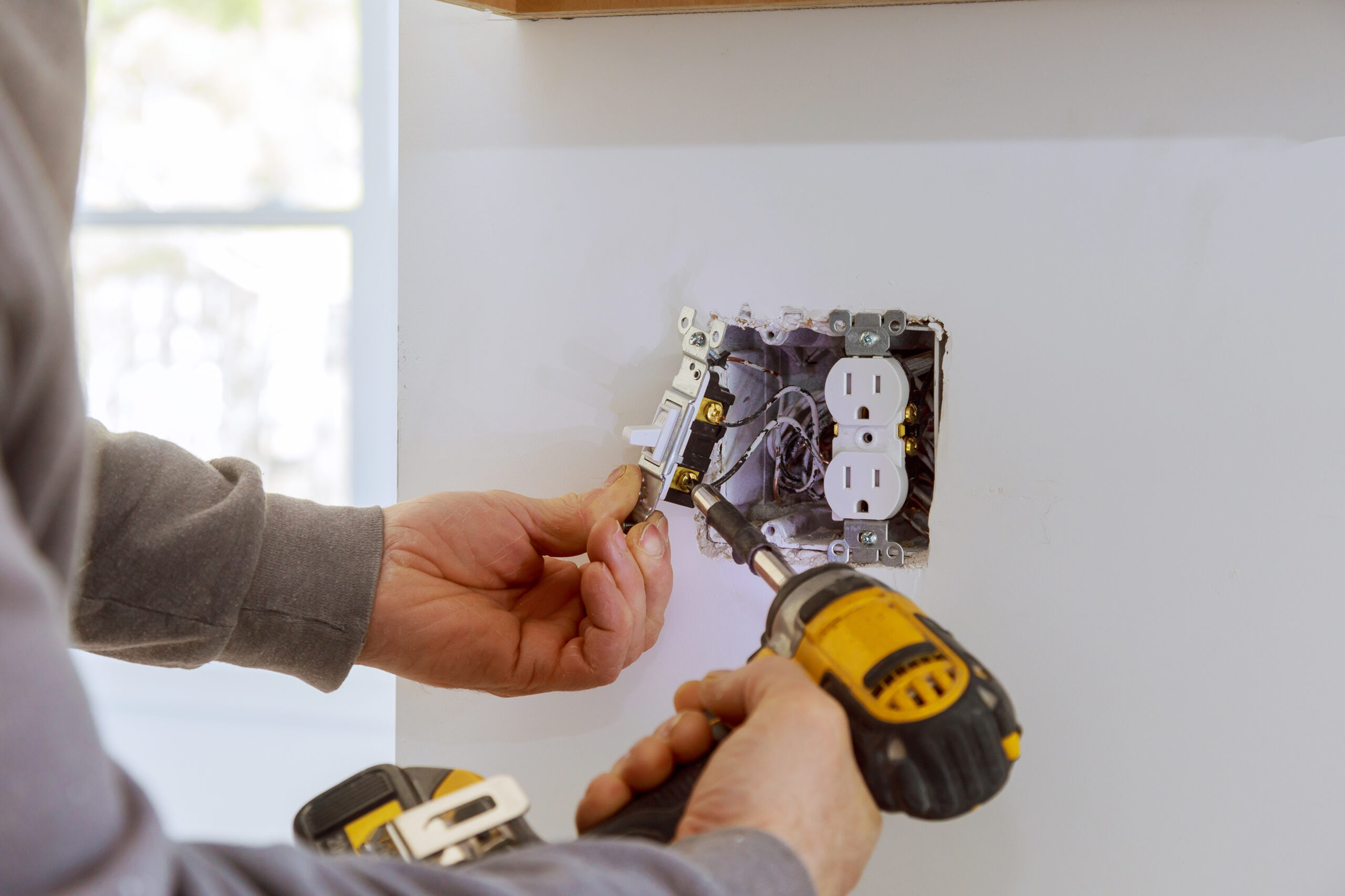
Swapping out light fixtures can be a DIY project, provided the wiring is already in place and you’re not altering the circuit. Always turn off the power at the breaker box before beginning any work.

Replacing Switch and Outlet Covers

Updating old or damaged switch and outlet covers can refresh a room’s appearance. This simple task only requires a screwdriver, with no need to tamper with the wiring.

Electrical Work Best Left to Professionals

Circuit Breaker Replacements

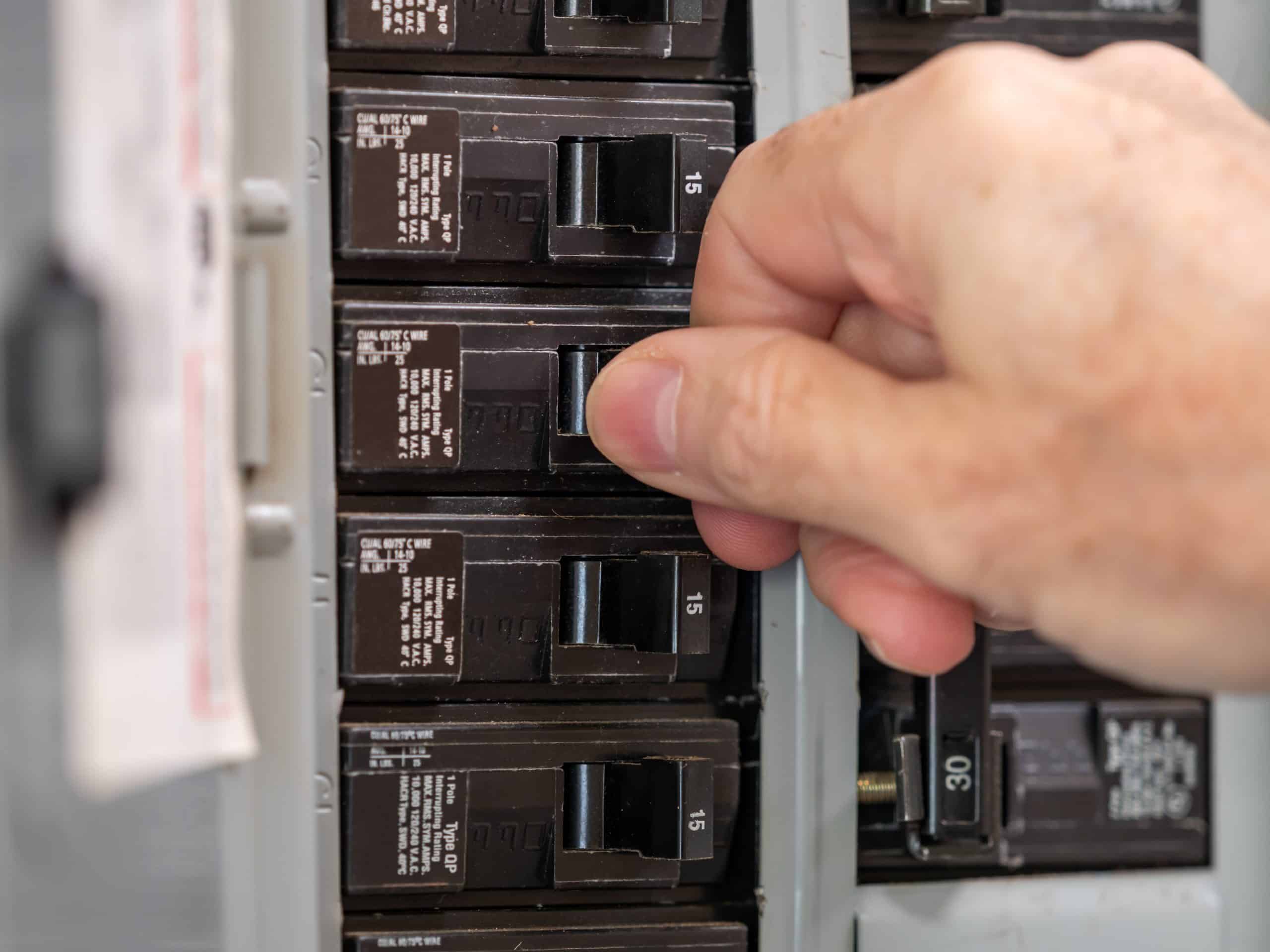
Working inside the electrical panel poses serious risks, including electrocution. Replacing a circuit breaker or any work involving the electrical panel should always be done by a licensed electrician.

Installing Additional Outlets or Lights

Adding new outlets or lighting fixtures often requires running new wiring and making connections within the electrical panel. This type of work must adhere to local building codes and standards, necessitating professional expertise.

Upgrading Your Electrical Panel

As homes’ electrical demands increase, many find their current electrical panel is no longer sufficient. Upgrading an electrical panel involves extensive knowledge of electrical systems and should never be a DIY project.

Wiring for Major Appliances

Installing or altering the wiring for major appliances requires an understanding of electrical loads, grounding, and safety protocols. Incorrectly installed wiring can lead to fire hazards and appliance damage.

The Risks of DIY Electrical Work

Safety Hazards

Without proper training, you risk electric shock, fires, and serious injury when attempting electrical work.

Code Violations

Unprofessional work can result in violations of building codes, leading to fines and requiring costly corrections.

Insurance Issues

DIY electrical work can void home insurance policies if a fire or damage results from improper installations or repairs.

The Benefits of Hiring a Licensed Electrician

Safety and Peace of Mind

Professional electricians have the training and equipment to perform electrical work safely, reducing the risk of accidents and ensuring your family’s safety.

Code Compliance

Licensed electricians are knowledgeable about local building codes and regulations, ensuring that all work is compliant and properly inspected.

Quality Workmanship

With years of experience, electricians can guarantee quality work that lasts, preventing future issues and additional costs.

While the DIY route might be tempting for minor home improvements, electrical work requires a level of expertise and caution that only professionals possess. By understanding which tasks are safe to do yourself and which require professional intervention, you can keep your home safe, compliant, and well-maintained. Turn It On Electric is here to assist with all your electrical needs, from minor installations to major upgrades. Contact us today to ensure safety, efficiency, and compliance, giving you peace of mind for years to come.

Categories Residential

Customizing Your Home’s Electrical Layout

In today’s homes, where electronic devices are integral to our daily lives, the placement and availability of electrical outlets can significantly impact both the functionality and safety of our living spaces. At Turn It On Electric, we understand the evolving electrical needs of modern homes. We’ll delve into the process and benefits of customizing your home’s electrical layout through professional outlet installation and movement.

The Need for Adequate and Strategically Placed Outlets

Convenience and Accessibility – The demand for electrical outlets has increased with the proliferation of electronic devices. Adequate outlets, strategically placed, can significantly enhance the convenience and accessibility of power in your home.

Reducing Reliance on Extension Cords – Over-reliance on extension cords not only creates clutter but also poses a tripping hazard and can be a fire risk if used improperly. Adding more outlets helps reduce this dependency, thereby improving safety.

Adapting to Lifestyle Changes – As your family grows or lifestyle changes, your power needs may evolve. Whether it’s setting up a home office, a gaming room, or a home theater, customizing your outlet placement can cater to these specific needs.

The Preparations

  • Assessment and Planning – The first step involves a professional assessment of your current electrical system’s capacity and layout. This helps in determining the optimal locations for new outlets or the feasibility of moving existing ones.
  • Ensuring Code Compliance – Any changes to your home’s electrical system need to comply with local building codes and safety standards. Professional electricians like those at Turn It On Electric ensure all installations and modifications meet these regulations.

Installation

  • For new outlets, this may involve cutting into drywall, running new wiring, and installing new outlet boxes.
  • Moving an outlet typically requires rerouting existing wiring and possibly patching up the former outlet location.
  • Safety Checks: Post-installation, it’s essential to conduct thorough safety checks to ensure all new and moved outlets are functioning correctly and safely.

Benefits of Professional Outlet Installation and Movement

Enhanced Safety: Properly installed and strategically located outlets help mitigate risks of electrical fires and accidents.

Increased Home Value: Homes with sufficient, conveniently located outlets are more appealing to potential buyers, potentially increasing the property’s market value.

Customized Solutions: Whether it’s USB-equipped outlets in your home office or GFCI outlets in bathrooms and kitchens, custom installations can cater to specific requirements.

Peace of Mind: Knowing that your home’s electrical system has been professionally assessed and upgraded provides peace of mind regarding the safety and efficiency of your power access points.

Customizing your home’s electrical layout with additional or relocated outlets is not just a matter of convenience; it’s a significant upgrade to your home’s safety and functionality. At Turn It On Electric, we are committed to providing tailored solutions that meet the unique electrical needs of your home. Our team of expert electricians is here to help guide you through the process, ensuring safety, code compliance, and satisfaction. Contact us today to enhance your home’s electrical layout for a safer, more efficient tomorrow.

Categories Electrical Wiring, Electrician, Residential

What You Should Know About Electrical Panel Replacement

Electrical Panel Replacement

In this area of Arizona, many people know Turn It On Electric pros are expert circuit-breaker electricians. But we still encounter people that believe electrical repairs and installations are DIY (do-it-yourself) home improvement tasks. There’s one thing much worse than needing an electrical panel replacement: trying to do the work yourself.

Learn About Electrical Panel Replacement

Today’s homeowners are hands-on people. But most of us are so busy with family and careers we don’t have time to become expert electricians and home improvement professionals.

There’s a compromise that works for most of us: Learn as much as possible about how things work. You’ll not be at the mercy of an unscrupulous handyman. You’ll make informed decisions. And best of all, you’ll know enough not to put your family and property at risk because of a DIY repair or electrical installation.

Learn about electrical panel replacement.

Understanding Electrical Panels and Their Dangers

The circuit breaker is an incredibly simple solution
to a potentially deadly problem.
–Howstuffworks.com

Your home’s circuit breaker is a safety device. In fact, it’s probably the most important safety mechanism you have. If there’s danger, it shuts down power to your home. Without an electrical circuit panel, using the power of electricity in residences would be impossible.

Electricity is defined by:

  • Voltage – What makes the electricity move
  • Current – The rate at which the electricity moves through a conductor
  • Resistance – The conductor’s flow equalizer

Fuses and switches on the circuit breaker box will interrupt the electrical flow if there’s a problem. But fuses – which are seldom seen anymore – only work once. Fuses melt when overheated. Switches flip off.

There are 3 main types of circuit breakers:

  • AFCI (arc fault circuit interrupter)
  • GFCI (ground fault circuit interrupter)
  • Standard

More recently, DFCIs (dual-fault circuit interrupters) combine arc-fault and ground-fault safety protocols.

There are more than 51,000 home electrical fires every year. And almost 30,000 of those are arc-fault related fires. The problem? Older homes can’t handle today’s demands for electricity. Insurance pros say if your home is more than 40 years old, you need to schedule an electrical inspection.

Electrical Emergencies: Signs You Need Circuit Panel Repair/Replacement

It’s drastic but it actually happens: Some home insurance providers won’t insure a home (or they will, but omit fire coverage) if the electrical panel is outdated or unsafe. Please call us immediately if you have any of these signs you need a panel repair or upgrade:

  • Adding larger appliances 
  • Age
  • Appliances overheating
  • Burning smell
  • Electric panel discolorations
  • Flickering lights
  • Frequent tripping
  • Fuses instead of switches
  • Outlet/switch sparks
  • Shocks when you touch outlets/switches
  • Sizzling/popping sounds

DIY Electrical Work

…If you understand the process entirely from start to finish, know quite a bit about wiring, safety precautions, and everything required to do the job,
you can do it yourself.
 –homeinspectioninsider.com

“I read a DIY electrical panel installation website,” said a neighbor. “By the time I got past the basics…which wires will electrocute, what to turn off and what to disconnect so I wouldn’t kill myself… I was completely intimidated.”

He said the list of basic DIY electrical repair included buying:

  • Cable connectors
  • Insulated flashlight
  • Insulated tools:
    • Hammer
    • Screwdriver
    • Wire strippers
  • Overhead light source that doesn’t require electricity
  • Rubber mat/plywood to stand on while working
  • Safety goggles
  • Voltage tester

Smart people are intimidated by danger and know when to partner with a professional electrician.

All You Need is Turn It On Electric

TIO Electric is a residential and commercial electrical contractor serving all of the Tucson and Phoenix Metro area including:

  • Carefree
  • Cave Creek
  • East Valley
  • Glendale
  • Paradise Valley
  • Peoria
  • Scottsdale

If you would like to learn more, contact TIO Electric.