
Categories Residential

Do You Need a Whole Home Generator in Phoenix?

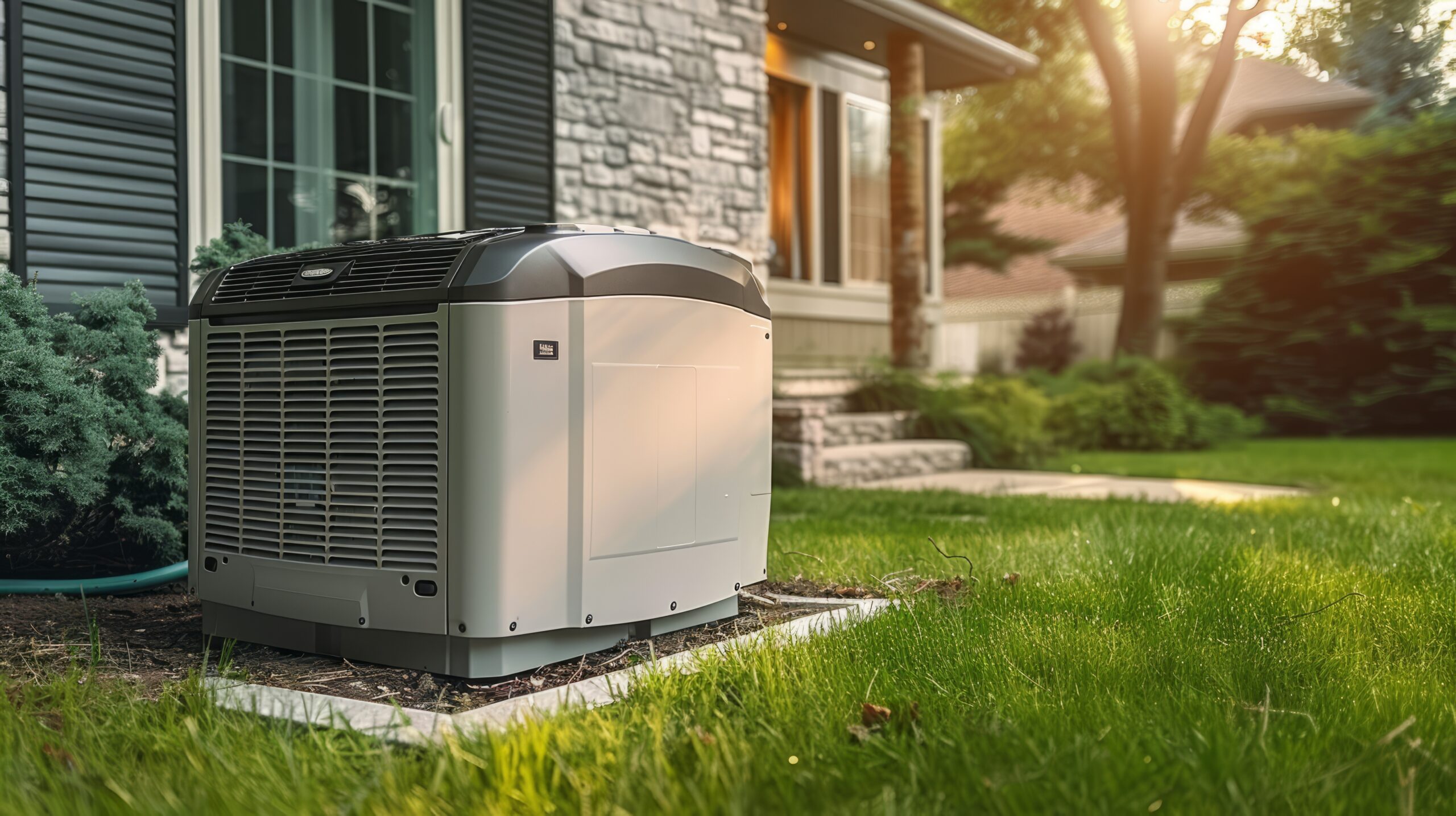
Phoenix residents face unique challenges due to extreme weather conditions and potential power outages. A whole home generator can provide peace of mind and ensure your home remains powered during emergencies. We’ll help you understand if a whole home generator is right for you and what to expect during the installation process.

Why Consider a Whole Home Generator?

  • Uninterrupted Power Supply: Whole home generators automatically restore power during an outage. That means no down times or wondering when or if the power will be coming back on.
  • Protection for Essential Systems: Ensures critical systems like HVAC, refrigerators, and medical devices remain operational.
  • Increased Home Value: Installing a whole home generator adds to your property’s value, making it a worthwhile investment.

Key Considerations Before Installation

  • Power Needs Assessment: Determine the wattage requirements of essential appliances and systems to choose the right generator size.
  • Fuel Type: The options for fuel include natural gas, propane, and diesel. Natural gas is often preferred for its reliability and ease of access and is the choice that most consumers choose to go with.
  • Location: Choose an installation site that adheres to local codes, such as maintaining a certain distance from the home or certain utilities, and is safe from flooding and other environmental hazards.
  • Permits: When installing a whole home generator, be sure to obtain any necessary permits from local authorities and the city. A licensed electrician, like Turn It On Electric, will usually handle this process for you.

Installation Process

  • Site Preparation: You will need to make sure that your chosen installation location is clear and unobstructed, also ensuring that there is proper ventilation and drainage for the generator.
  • Professional Installation: Hire a licensed electrician, like Turn It On Electric, to handle the installation. Doing so ensures that the installation itself meets all safety standards and regulations.
  • Connection to the Home’s Electrical System: Install an automatic transfer switch to facilitate a seamless transition to generator power during outages.

Cost Considerations

  • Initial Investment: Whole home generators and their installation can be quite pricey, ranging from several thousand to tens of thousands of dollars, depending on the size and complexity of the system.
  • Long-Term Savings: While the upfront cost is significant, a whole home generator can save money in the long run by preventing damage from power outages and maintaining the functionality of your home. Not to mention the peace of mind that it offers for you and your loved ones in times of emergency.

Maintenance and Upkeep

  • Regular Inspections: It is recommended to schedule routine checkups to ensure the generator is in good working condition and not in need of repairs.
  • Fuel Management: Be sure to keep the generator’s fuel tanks filled and replace any old fuel to prevent clogging and buildup to ensure the efficiency and longevity of the unit.

A whole home generator is a valuable investment for Phoenix residents, offering uninterrupted power and enhanced home value. By understanding your power needs, ensuring code compliance, and hiring professional installers, you can enjoy the peace of mind that comes with reliable backup power.

Considering a whole home generator for your Phoenix home? Contact Turn It On Electric for a no cost, expert consultation and trust us for professional installation services to keep your home powered during any outage.

Categories Electrical Wiring

Whole House Generator Installation: 12 Things to Know

A power grid fail as Texas had in 2021 is unlikely in Arizona. But utility companies warn us there soon may not be enough summer electricity to go around. Fears of blackouts and brownouts have prompted many Valley homeowners to invest in whole house generator installation.

What You Should Know About Whole House Generator Installation

According to Consumer Reports, a whole-house generator
properly installed by licensed and certified electricians
could raise your home’s value by 3% to 5%…
home appraisers found that the installation…
yielded a 150% return on investment.

Standby emergency generators add value to your home. But they can give you peace of mind, which is worth even more. If you have infants, elderly, or health-challenged family members, extreme heat or cold can pose a health threat. Whole house generator installation can save the day when unexpected power outages occur.

Here are 12 things to know about whole house generator installation this year:

  1. Standby generators can sense when your electricity has been interrupted. Within seconds, your generator powers up. When electricity is restored, it shuts off and returns to standby mode.
  2. A permit is required for whole house generator installation in Pima County. In Maricopa County, a permit is required for any electrical work that requires a GFCI-protected outlet. Licensed electricians must apply for these permits.
  3. DIY (do-it-yourself) whole house generator installation will likely void manufacturers’ warranties.
  4. If property damage occurs resulting from a DIY generator installation, your insurance can deny coverage.
  5. A concrete pad is necessary for generator placement. If you don’t have a suitable site, arrangements must be made to build one.
  6. If possible, a natural gas-powered generator is the best choice for an emergency generator. LP/diesel will require a safe storage container.
  7. Whole house generators are quieter than portable generators. In fact, some portable generators can violate community noise ordinances.
  8. Generators self-test regularly, but you need to run it about once a month and schedule fall and spring electrical maintenance.
  9. Size matters. If you want to buy a specific brand from a big box store, that’s fine, but if you buy the wrong size, it will cause more problems than you need. It’s best to discuss what size generator will best serve your home before you buy.
  10. After the unit has been set up and is ready to operate, your electrician will arrange for a local inspection to approve the installation.
  11. Whole house generator installation sometimes takes 1-3 days but can be completed in as few as four hours.
  12. The wait time for whole house generator installation averages 6-8 weeks. Several permanent generator systems that are highly rated and considered among the best by consumers are sometimes backlogged.

Portable generators offer short-term solutions. Plus, you must pick and choose which appliances to provide power. But whole house generators are an investment. Newer models offer:

  • Fuel efficiency
  • Higher-quality automotive-type engines
  • Increased property value
  • Less maintenance
  • Liquid-cooled vs. air-cooled to manage longer operating times
  • Measurable ROI (return on investment)
  • More safety with fume-free operation
  • Quieter operations
  • Turn on automatically
  • Uninterrupted, whole-house power management

Control Your Power With TIO Electric Generator Installation

Homeowners today want better control of their water and electrical usage. It’s not just about saving money, although that’s important. It’s about saving energy to ensure we give future generations a sustainable legacy.

Generator and transfer switch installations are among the many electrical services we offer our residential and commercial customers. If you need more information about whole house generator installation, contact Turn It On Electric.

___