
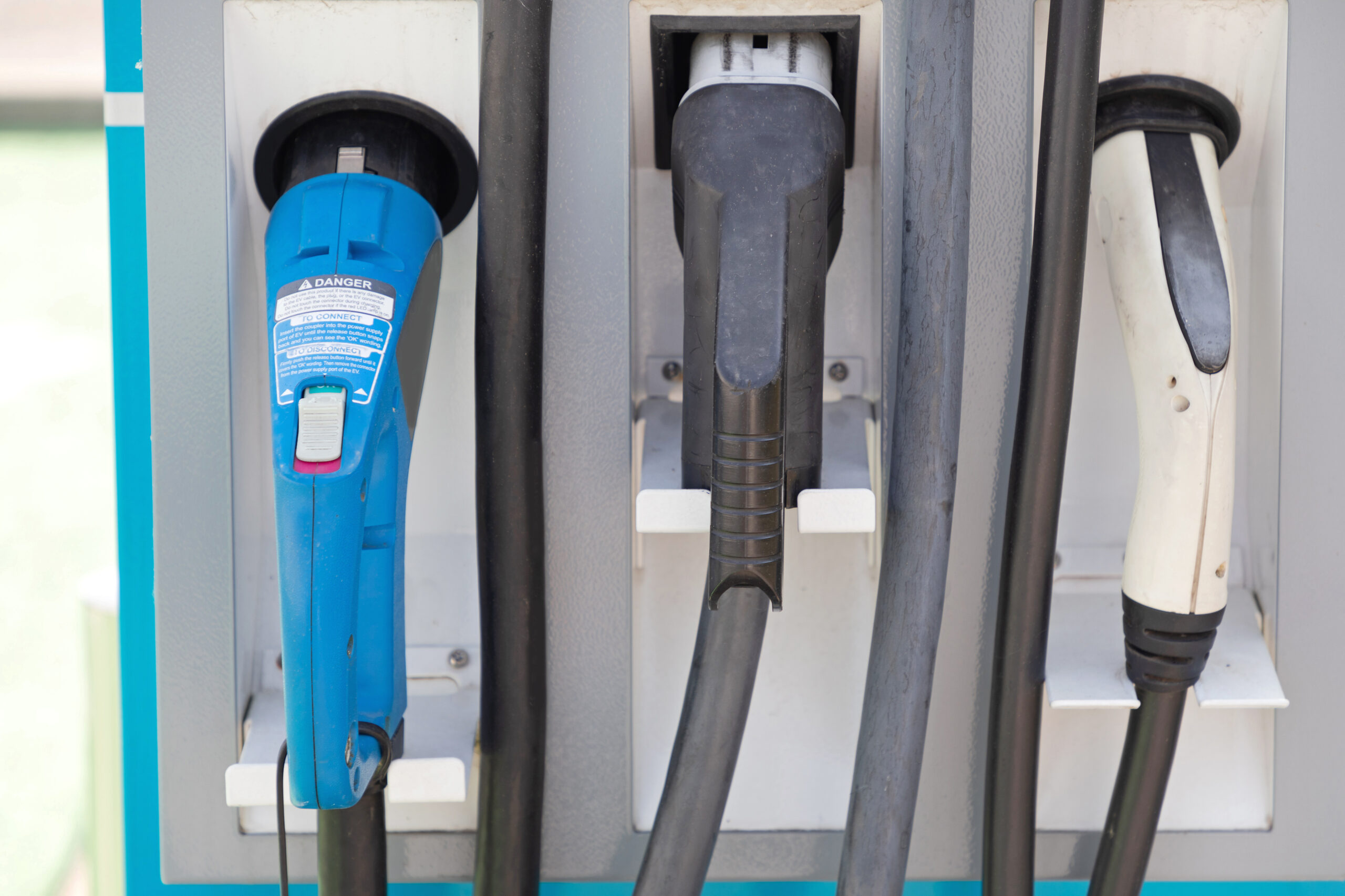
With the rapid growth in electric vehicle (EV) adoption, understanding the different types of EV chargers and their installation requirements has become increasingly important. Choosing the right EV charger not only affects your charging speed but also impacts your overall driving experience and home electrical setup. In this comprehensive guide, we will explore the various types of EV chargers, their specifications, power differences, and key considerations for installation to help you make an informed decision.
Types of EV Chargers
Level 1 Chargers
Specifications:
Level 1 chargers are the most basic type of EV charger, operating on a standard 120V household outlet. They typically deliver around 1.4 kW of power, which translates to about 4-5 miles of range per hour of charging.
Electrical Requirements:
Level 1 chargers can be plugged directly into a standard household outlet, making them the most accessible and cost-effective option for EV owners. They usually do not require any additional electrical work, making them ideal for those who drive shorter distances daily.
Best Use Cases:
Level 1 chargers are best suited for overnight charging at home, especially for EV owners who drive less than 40 miles per day. They are also a good fit for those who may have limited access to higher-level charging infrastructure.
Level 2 Chargers
Specifications:
Level 2 chargers are a step up from Level 1, operating on a 240V circuit. They offer power output ranging from 3 kW to 19 kW, allowing them to provide 15-30 miles of range per hour of charging.
Electrical Requirements:
Installing a Level 2 charger typically requires a dedicated 240V circuit, which may necessitate electrical upgrades, such as a new circuit breaker or even a panel upgrade. This type of installation should be carried out by a licensed electrician to ensure safety and compliance with local codes.
Best Use Cases:
Level 2 chargers are ideal for daily drivers who need a quicker charging solution. They are commonly installed in homes, workplaces, and public charging stations, providing a faster and more efficient way to recharge EVs.
DC Fast Chargers (Level 3)
Specifications:
DC Fast Chargers, also known as Level 3 chargers, are the most powerful EV charging option available. They operate on high-voltage systems (400V to 900V) and can deliver between 50 kW and 350 kW of power. This allows them to charge an EV battery to 80% in just 20-30 minutes.
Electrical Requirements:
Due to their high power demands, DC Fast Chargers require robust electrical infrastructure, including commercial-grade equipment and installation. They are typically found in public charging networks, fleet operations, and along highways for long-distance travel.
Best Use Cases:
DC Fast Chargers are best suited for public charging networks, commercial fleets, and situations where rapid charging is essential, such as during long road trips. They are not typically installed in residential settings due to their cost and power requirements.
Charging Time Overview
The time it takes to charge an EV depends largely on the type of charger used. Level 1 chargers are the slowest, providing only 4-5 miles of range per hour, making them suitable for overnight charging. Level 2 chargers offer a significant improvement, with 15-30 miles of range per hour, allowing most EVs to be fully charged in a few hours. DC Fast Chargers, on the other hand, can provide up to 80% charge in just 20-30 minutes, making them the fastest option available.
Electrical Requirements for EV Charger Installation
Home Electrical Panel Considerations
Before installing an EV charger, it’s crucial to assess your home’s electrical panel. Level 1 chargers can typically be installed without any modifications, but Level 2 chargers require a dedicated 240V circuit, which may necessitate a panel upgrade if your existing panel doesn’t have sufficient capacity. A licensed electrician can evaluate your panel and determine if upgrades are needed.
Circuit Requirements
Each type of charger has specific amperage requirements. Level 1 chargers usually operate on a 15-20 amp circuit, while Level 2 chargers may require anywhere from 20 to 60 amps, depending on the model. Installing a dedicated circuit for your EV charger is essential to prevent overloading your electrical system and ensure safe and efficient operation.
Installation Considerations for EV Chargers
Distance from Electrical Panel
Impact on Installation Costs:
The distance between your electrical panel and the location of the EV charger can significantly affect installation costs. The longer the distance, the more wiring and conduit are required, which can increase both material and labor costs. In some cases, trenching or conduit work may be needed if the charger is installed outdoors or in a detached garage.
Safety and Efficiency Considerations:
To minimize voltage drop and ensure efficient charging, it’s advisable to install the charger as close to the electrical panel as possible. Keeping the charger close to the panel also helps to comply with local electrical codes and reduces the risk of potential hazards, as well as keep the overall cost of installation much lower.
Outdoor vs. Indoor Installation
Weatherproofing and Durability:
When installing an EV charger outdoors, it’s essential to choose a unit that is weatherproof and rated for outdoor use. Look for chargers with a high IP (Ingress Protection) rating, which indicates their ability to withstand dust, water, and other environmental factors.
Convenience and Accessibility:
The placement of your EV charger should also consider convenience and accessibility. Outdoor installations may offer easier access for charging multiple vehicles or accommodating guests, while indoor installations provide protection from the elements and potential theft.
Future-Proofing Your Installation
Preparing for Higher Power Chargers:
As EV technology advances, future vehicles may require higher power chargers. To future-proof your installation, consider installing conduit and wiring that can handle higher power levels, even if you start with a Level 2 charger. This will make it easier to upgrade to a more powerful charger down the line without needing extensive electrical work.
Considering Multiple EVs:
If you plan to own multiple EVs or anticipate future needs, it’s wise to plan for the installation of multiple chargers or a dual-port charger. This can save time and money in the long run, ensuring that your home is equipped to handle increased charging demands.
Cost Breakdown of EV Charger Installation
Equipment Costs
The cost of EV chargers varies depending on the type and features. Level 1 chargers are the most affordable, often included with the purchase of the vehicle. Level 2 chargers range from $300 to $1,200, depending on the model and features like smart connectivity or Wi-Fi control. DC Fast Chargers are significantly more expensive, often costing $10,000 or more, and are typically used in commercial settings.
Installation Costs
Installation costs can vary widely based on several factors, including the type of charger, the need for electrical upgrades, and the distance from the electrical panel. It’s important to consider permit fees, potential panel upgrades, and any additional work like trenching when budgeting for the installation. Turn It On Electric requires a technician to get onsite in order to provide a quote for this.
Choosing and installing an EV charger is a crucial step in your journey as an electric vehicle owner. By understanding the different types of chargers, their power outputs, and the electrical requirements, you can make an informed decision that meets your needs both now and in the future. At Turn It On Electric, we’re here to help you every step of the way, from selecting the right charger to ensuring a safe and cost-effective installation. Contact us today to learn more about our EV charger installation services and take the next step toward a sustainable future.
Interested in seeing more?
Check Out Our Social Media