Categories Residential

Preparing for Monsoon Season: Electrical Safety Tips for Phoenix Residents

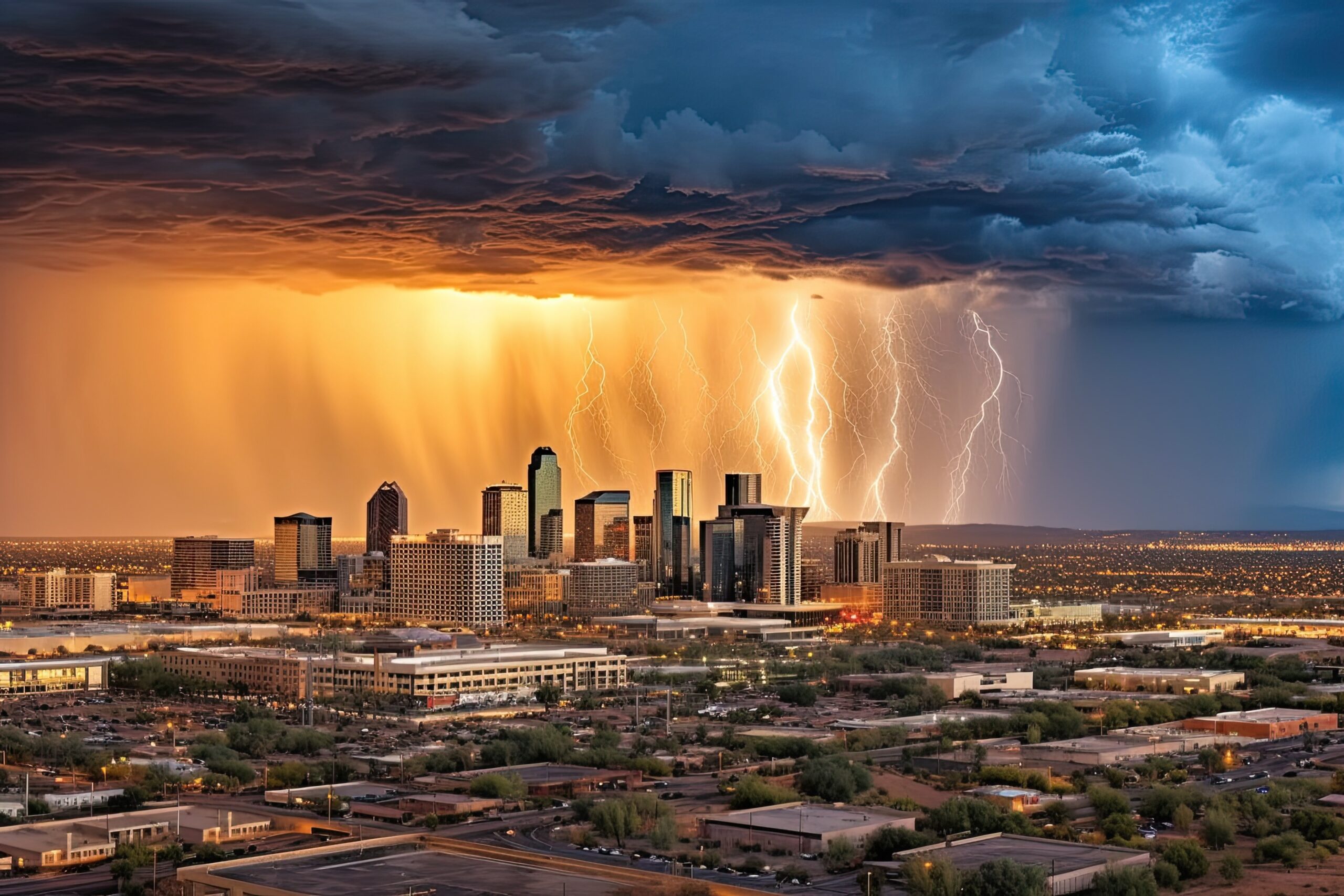
Monsoon season in Phoenix brings heavy rains, strong winds, and lightning storms. These elements can pose significant risks to your home’s electrical system. As professional electricians, we understand the importance of protecting your electrical infrastructure during this volatile season. Here are essential tips to ensure your home remains safe and functional.

1. Inspect and Safeguard Outdoor Electrical Fixtures

Monsoon rains can severely affect outdoor electrical fixtures. Here’s what to do:

  • Weatherproofing: Ensure all outdoor outlets, light fixtures, and junction boxes are weatherproofed. Use weather-resistant covers to protect them from water ingress.
  • Elevate Equipment: Raise outdoor electrical equipment such as AC units and pool pumps to prevent water damage. This simple step can prevent costly repairs or replacements.
  • Seal Exposed Wiring: Any exposed wiring should be covered with weather-resistant materials to prevent short circuits caused by water exposure.

2. Ensure Proper Drainage Around Electrical Panels

Water intrusion around electrical panels can be dangerous. Follow these steps to ensure proper drainage:

  • Clear Debris: Regularly clear debris from around your electrical panel and outlets to ensure water flows away from these areas.
  • Install Drainage Systems: If your home is prone to flooding, consider installing drainage systems or sump pumps to redirect water away from critical electrical areas.
  • Waterproof Barriers: Use waterproof barriers around your electrical panel to prevent water from reaching it during heavy rains.

3. Secure Your Whole Home Generator

A whole home generator is essential for maintaining power during outages. Here’s how to ensure its reliability:

  • Professional Installation: Ensure your whole home generator is installed by a licensed professional. This guarantees that it meets all safety and compliance standards.
  • Routine Inspections: Schedule regular inspections and maintenance checks to ensure your generator is in optimal condition and ready to operate during an outage.
  • Automated Systems: Invest in an automated transfer switch that allows your generator to start automatically when power is lost, ensuring continuous electricity supply during storms.

4. Use Surge Protectors

Power surges are common during monsoon storms due to lightning strikes and power fluctuations. Protect your electronics with the following:

  • Whole House Surge Protectors: Install a whole house surge protector at your main electrical panel to safeguard all your devices and appliances from voltage spikes.
  • Point-of-Use Protectors: Use additional surge protectors for sensitive electronics such as computers, TVs, and home entertainment systems for added protection.

5. Regular Electrical Maintenance

Regular maintenance is crucial to identify and rectify potential electrical issues before they become serious problems:

  • Professional Inspections: Schedule annual inspections with a licensed electrician to ensure your electrical system is in top condition.
  • Check for Wear and Tear: Regularly check for signs of wear and tear on your electrical components, such as frayed wires, corroded connections, and outdated fixtures.

6. Backup Plans and Emergency Preparedness

Being prepared for power outages is essential for safety and comfort:

  • Emergency Kit: Keep an emergency kit with flashlights, batteries, a portable phone charger, and other essentials handy.
  • Contact Information: Have the contact information of a reliable electrician, like Turn It On Electric, readily available for emergencies.

Monsoon season in Phoenix can pose serious risks to your home’s electrical system. By taking these precautionary steps, you can protect your home and ensure your electrical system remains safe and operational. Turn It On Electric is here to help with all your electrical needs, providing expert services to keep your home safe during the stormy season.

Prepare your home for the monsoon season with the help of Turn It On Electric. Contact us today for expert electrical services tailored to Phoenix residents. Ensure your home’s electrical system is storm-ready and secure with our professional assistance.


CHECK OUT OUR SOCIALS TO STAY UP TO DATE ON DEALS WE OFFER, ELECTRICAL INSIGHTS, AND MUCH MORE!

Categories Residential

DIY Electrical Work: What You Should and Shouldn’t Do Yourself

In the era of YouTube tutorials and DIY home improvement projects, homeowners are increasingly tempted to take electrical repairs and installations into their own hands. While the DIY approach can be cost-effective and rewarding for certain home tasks, electrical work often requires the expertise and precision of a professional.

Safe DIY Electrical Tasks

Changing Light Bulbs

Replacing burnt-out light bulbs is a straightforward task that homeowners can safely perform. Ensure that the switch is off before changing a bulb and consider energy-efficient LED options for replacements.

Installing Light Fixtures

Swapping out light fixtures can be a DIY project, provided the wiring is already in place and you’re not altering the circuit. Always turn off the power at the breaker box before beginning any work.

Replacing Switch and Outlet Covers

Updating old or damaged switch and outlet covers can refresh a room’s appearance. This simple task only requires a screwdriver, with no need to tamper with the wiring.

Electrical Work Best Left to Professionals

Circuit Breaker Replacements

Working inside the electrical panel poses serious risks, including electrocution. Replacing a circuit breaker or any work involving the electrical panel should always be done by a licensed electrician.

Installing Additional Outlets or Lights

Adding new outlets or lighting fixtures often requires running new wiring and making connections within the electrical panel. This type of work must adhere to local building codes and standards, necessitating professional expertise.

Upgrading Your Electrical Panel

As homes’ electrical demands increase, many find their current electrical panel is no longer sufficient. Upgrading an electrical panel involves extensive knowledge of electrical systems and should never be a DIY project.

Wiring for Major Appliances

Installing or altering the wiring for major appliances requires an understanding of electrical loads, grounding, and safety protocols. Incorrectly installed wiring can lead to fire hazards and appliance damage.

The Risks of DIY Electrical Work

Safety Hazards

Without proper training, you risk electric shock, fires, and serious injury when attempting electrical work.

Code Violations

Unprofessional work can result in violations of building codes, leading to fines and requiring costly corrections.

Insurance Issues

DIY electrical work can void home insurance policies if a fire or damage results from improper installations or repairs.

The Benefits of Hiring a Licensed Electrician

Safety and Peace of Mind

Professional electricians have the training and equipment to perform electrical work safely, reducing the risk of accidents and ensuring your family’s safety.

Code Compliance

Licensed electricians are knowledgeable about local building codes and regulations, ensuring that all work is compliant and properly inspected.

Quality Workmanship

With years of experience, electricians can guarantee quality work that lasts, preventing future issues and additional costs.

While the DIY route might be tempting for minor home improvements, electrical work requires a level of expertise and caution that only professionals possess. By understanding which tasks are safe to do yourself and which require professional intervention, you can keep your home safe, compliant, and well-maintained. Turn It On Electric is here to assist with all your electrical needs, from minor installations to major upgrades. Contact us today to ensure safety, efficiency, and compliance, giving you peace of mind for years to come.

Categories Residential

Understanding and Protecting Against Electrical Overloads

In the intricate world of residential electricity, understanding voltage variations and their potential impact is crucial for every homeowner. Voltage variations can lead to electrical overloads, posing significant risks to your home’s electrical system and devices. At Turn It On Electric, we emphasize the importance of being informed and prepared. This blog will delve into the nature of voltage variations, the risks associated with electrical overloads, and the essential steps for protection and prevention.

Understanding Voltage Variations and Electrical Overloads

What Are Voltage Variations?

Voltage variations refer to fluctuations in electrical power supply. These can be brief surges, sags, or more prolonged undervoltages or overvoltages.

Causes of Voltage Variations:

External factors can include utility grid switching, lightning strikes, or power outages.

Internal factors within a home, like high-powered appliances cycling on and off, can also create fluctuations.

Risks of Electrical Overloads:

Overloads occur when the electrical system or a circuit receives more electricity than it can safely handle, leading to potential hazards like circuit damage, appliance malfunction, or in severe cases, fires.

Preventing and Protecting Against Electrical Overloads

Proper Circuit Design and Load Management:

Ensuring your home’s electrical system is correctly designed to handle the electrical load is the first line of defense. This involves having appropriately rated circuit breakers and well-distributed circuits.

Surge Protectors and UPS Systems:

Surge protectors are crucial in safeguarding your electronics from transient surges. For sensitive electronics, Uninterruptible Power Supply (UPS) systems can provide additional protection from voltage sags and brief outages.

Regular Electrical System Maintenance:

Routine check-ups by licensed electricians can identify potential overload risks, ensuring all components function within safe parameters.

Upgrading Outdated Electrical Panels:

Older electrical panels may be more prone to overload issues. Upgrading to a modern panel can enhance the overall safety and efficiency of your home’s electrical system.

Understanding the Role of Circuit Breakers

Circuit Breaker Functionality:

Circuit breakers are designed to automatically shut off electrical flow when a circuit exceeds its rated load, preventing overheating and potential hazards.

Importance of Regular Circuit Breaker Checks:

Homeowners should routinely check their circuit breakers to ensure they are functioning correctly and have not become overly sensitive or unresponsive.

Voltage variations and the subsequent risk of electrical overloads are critical considerations for maintaining a safe and efficient home electrical system. By understanding these concepts and implementing protective measures, homeowners can significantly mitigate the risks. Turn It On Electric is dedicated to providing expert guidance and services to ensure your home’s electrical system is robust, safe, and well-equipped to handle everyday demands and unexpected fluctuations alike. Contact us today for a comprehensive electrical safety assessment or any upgrades, our team of skilled professionals is here to assist you.