Categories Residential

Licensed Electrician vs. Handyman: What You Need to Know

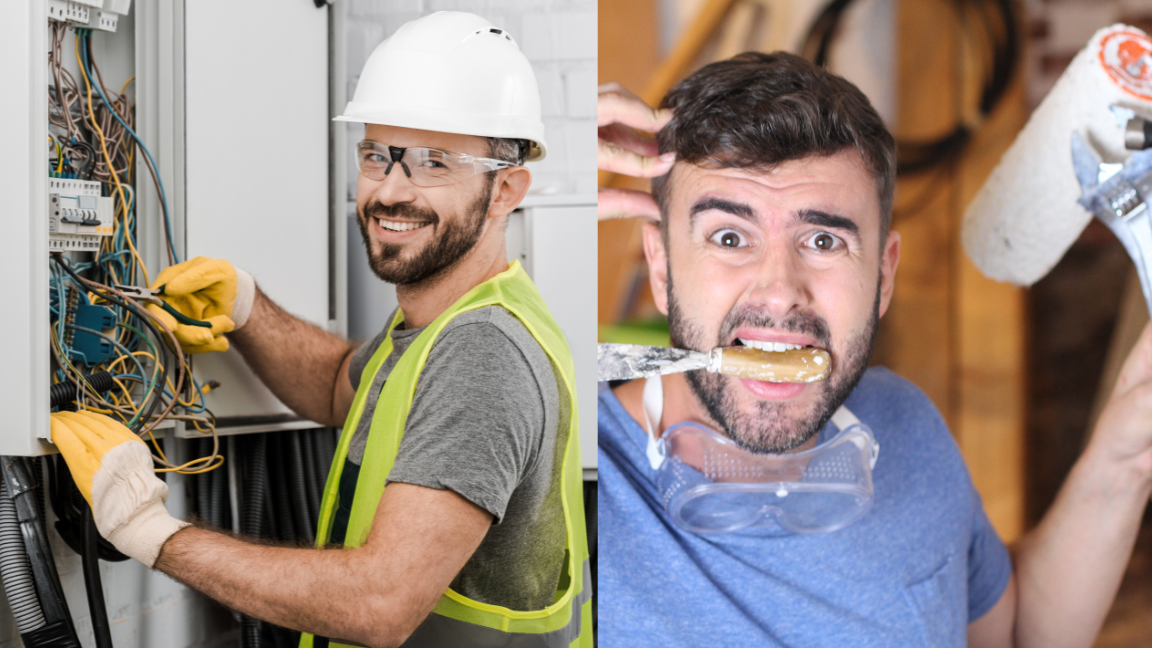
When it comes to electrical work in your home or business, choosing the right professional can make all the difference. But what exactly sets a licensed electrician apart from a handyman or a non-licensed electrician? Understanding the distinctions can help ensure the safety, efficiency, and legality of your electrical projects.

The Importance of Licensing

Licensed electricians undergo rigorous training and testing to meet state-specific licensing requirements. This process ensures they are up to date with electrical codes and safety practices, unlike handymen or non-licensed workers who may lack this specialized training.

Safety and Liability

Electrical work comes with inherent risks. Licensed electricians are required to adhere to safety standards that minimize the risk of accidents, fires, and other hazards. Additionally, using a non-licensed professional can lead to liability issues or insurance claims being denied in the event of a problem.

Quality of Workmanship

The expertise of a licensed electrician often leads to higher quality work that stands the test of time. This can save homeowners and businesses from costly repairs, rework, or damage in the future.

Legal and Insurance Implications

In many areas, electrical work must be performed by a licensed professional to comply with local laws and building codes. Hiring a non-licensed individual could result in fines, invalidated warranties, and voided insurance policies.

While it might be tempting to save money by hiring a handyman or non-licensed electrician, the potential risks and long-term costs can far outweigh initial savings. By choosing a licensed electrician, you ensure that your electrical projects are done safely, effectively, and legally, protecting your investment and well-being. Contact Turn It On Electric today for a free quote and to get your project underway with confidence and quality assurance.


Categories Residential

DIY Electrical Work: What You Should and Shouldn’t Do Yourself

In the era of YouTube tutorials and DIY home improvement projects, homeowners are increasingly tempted to take electrical repairs and installations into their own hands. While the DIY approach can be cost-effective and rewarding for certain home tasks, electrical work often requires the expertise and precision of a professional.

Safe DIY Electrical Tasks

Changing Light Bulbs

Replacing burnt-out light bulbs is a straightforward task that homeowners can safely perform. Ensure that the switch is off before changing a bulb and consider energy-efficient LED options for replacements.

Installing Light Fixtures

Swapping out light fixtures can be a DIY project, provided the wiring is already in place and you’re not altering the circuit. Always turn off the power at the breaker box before beginning any work.

Replacing Switch and Outlet Covers

Updating old or damaged switch and outlet covers can refresh a room’s appearance. This simple task only requires a screwdriver, with no need to tamper with the wiring.

Electrical Work Best Left to Professionals

Circuit Breaker Replacements

Working inside the electrical panel poses serious risks, including electrocution. Replacing a circuit breaker or any work involving the electrical panel should always be done by a licensed electrician.

Installing Additional Outlets or Lights

Adding new outlets or lighting fixtures often requires running new wiring and making connections within the electrical panel. This type of work must adhere to local building codes and standards, necessitating professional expertise.

Upgrading Your Electrical Panel

As homes’ electrical demands increase, many find their current electrical panel is no longer sufficient. Upgrading an electrical panel involves extensive knowledge of electrical systems and should never be a DIY project.

Wiring for Major Appliances

Installing or altering the wiring for major appliances requires an understanding of electrical loads, grounding, and safety protocols. Incorrectly installed wiring can lead to fire hazards and appliance damage.

The Risks of DIY Electrical Work

Safety Hazards

Without proper training, you risk electric shock, fires, and serious injury when attempting electrical work.

Code Violations

Unprofessional work can result in violations of building codes, leading to fines and requiring costly corrections.

Insurance Issues

DIY electrical work can void home insurance policies if a fire or damage results from improper installations or repairs.

The Benefits of Hiring a Licensed Electrician

Safety and Peace of Mind

Professional electricians have the training and equipment to perform electrical work safely, reducing the risk of accidents and ensuring your family’s safety.

Code Compliance

Licensed electricians are knowledgeable about local building codes and regulations, ensuring that all work is compliant and properly inspected.

Quality Workmanship

With years of experience, electricians can guarantee quality work that lasts, preventing future issues and additional costs.

While the DIY route might be tempting for minor home improvements, electrical work requires a level of expertise and caution that only professionals possess. By understanding which tasks are safe to do yourself and which require professional intervention, you can keep your home safe, compliant, and well-maintained. Turn It On Electric is here to assist with all your electrical needs, from minor installations to major upgrades. Contact us today to ensure safety, efficiency, and compliance, giving you peace of mind for years to come.