Whether you’re on the brink of acquiring your dream abode or saying goodbye to your current nest, the electricity flowing behind those walls needs more than a passing glance—it requires a thorough inspection. The electrical system, a silent sentinel, ensures that your life is illuminated, devices charged, and safety systems on high alert. But as houses change hands, ensuring these systems meet safety standards and regulations becomes paramount. This guide aims to shine a light on the key components of residential electrical inspections for home sales or purchases, demystifying what can often be a charged topic.
What Inspectors Look For:
Electrical Panels – The Heart of Your Home’s Electricity:
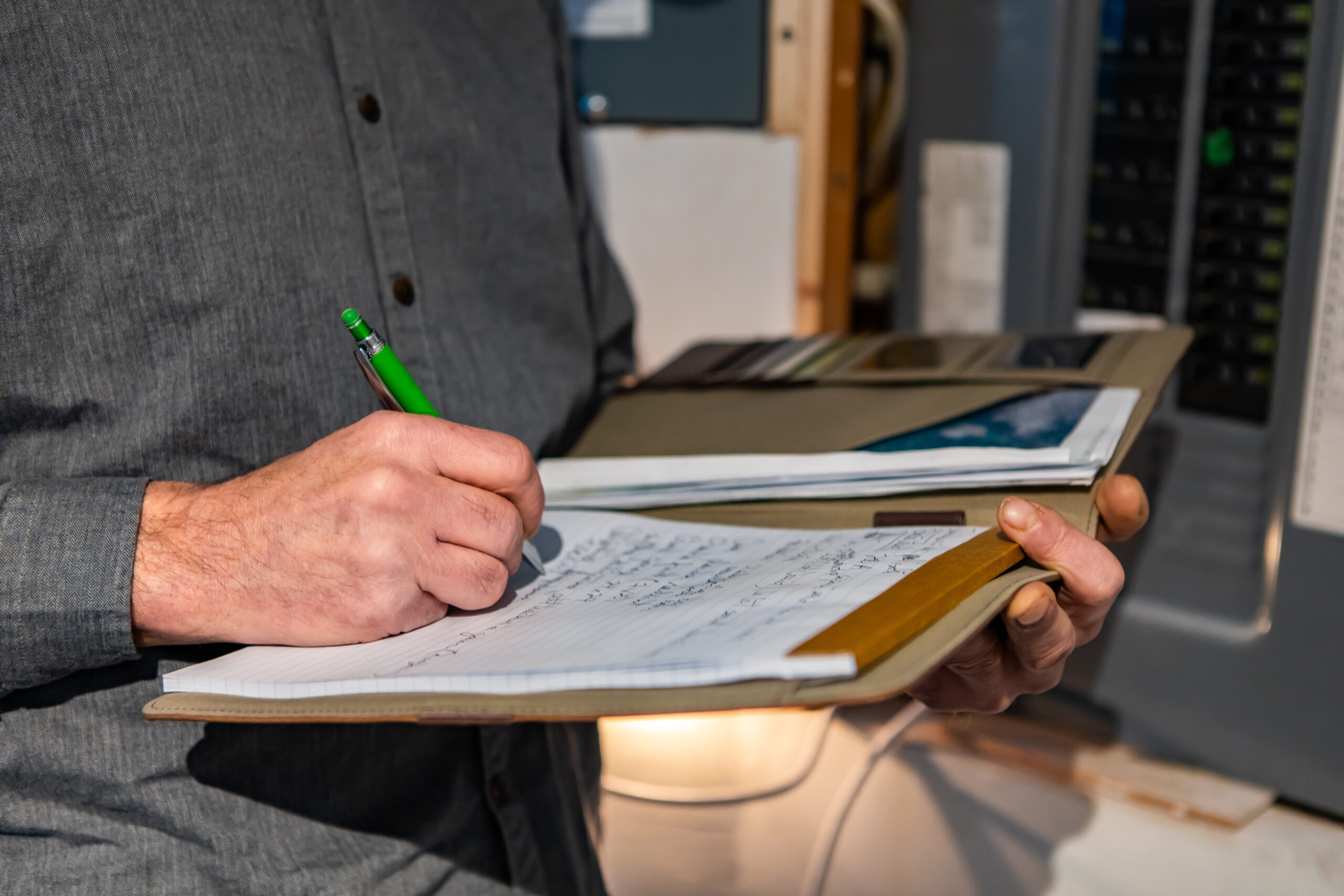
The electrical panel, often referred to as the breaker box, is the central hub of a home’s electrical system. Inspectors check for proper installation and condition, ensuring there’s no rust, damage, or loose connections. They also verify that the panel has sufficient capacity for the home’s needs and that all circuits are properly labeled. Outdated panels, like those with fuses instead of circuit breakers, are often red flags.
Wiring – The Circulatory System:
Wiring is scrutinized for its condition, type, and compliance with current standards. Inspectors look out for outdated wiring systems like knob and tube or aluminum wiring, which can pose safety risks. They also check for any exposed or unshielded wiring, signs of overheating, and secure connections.
Outlets and Switches – Points of Contact:
Every outlet, switch, and fixture is tested for proper function, grounding, and safety. Special attention is given to areas prone to moisture, such as bathrooms and kitchens, where ground-fault circuit interrupter (GFCI) outlets should be installed to prevent electric shock.
Smoke and Carbon Monoxide Detectors – Silent Guardians:
These critical safety devices are checked for their presence, correct placement, and functionality. Inspectors ensure that smoke detectors are installed on every floor and inside each bedroom, while carbon monoxide detectors are typically required near sleeping areas.
Service Mast, Service Drop, and Meter – The External Checkup:
The external components of your home’s electrical system, including the service mast, service drop, and meter, are inspected for secure attachment, proper grounding, and overall condition. This is to ensure that the electrical supply from the utility company is safely and effectively reaching your home.
Surge Protection – Shielding Your Home:
Surge protection devices safeguard your home’s electrical devices from voltage spikes. Inspectors may check for the presence and condition of these protective devices, particularly in areas with frequent storms or unreliable power supply.
Common Issues Uncovered During Inspections:
- Overloaded circuits
- Double-tapped breakers
- Incorrectly wired outlets
- Absence of GFCI protection in wet areas
- Obsolete or faulty electrical panels
Pre-Inspection Tips for Sellers:
- Review and label your electrical panel.
- Replace any non-functioning switches or outlets.
- Ensure that GFCI outlets are installed where required.
- Check that all visible wiring is intact and properly insulated.
- Test smoke and carbon monoxide detectors and replace batteries if necessary.
For Buyers: What to Observe During a Visit:
- Check for signs of burnt outlets or switches.
- Note the age and condition of the electrical panel.
- Test a few outlets and switches in different rooms.
- Observe whether there are sufficient outlets in each room.
- Look for GFCI outlets in bathrooms, kitchens, and other wet areas.
Navigating through the maze of residential electrical inspections can seem daunting at first glance. But, armed with the right knowledge, you can ensure that your home buying or selling experience is not just enlightening but electrifyingly smooth. Whether you’re a seller prepping your home for the market or a buyer eager to find your spark in a new residence, understanding these electrical essentials can illuminate the path to a successful transaction.
Remember, a thorough electrical inspection not only contributes to the safety and functionality of your home but also offers peace of mind. So, when it comes to your home’s electrical system, don’t be left in the dark. Ensure it’s checked, safe, and ready to light up your life in your new home or as a farewell gift to the new occupants of your old one.
If you’ve got any burning questions or need professional assistance, don’t hesitate to reach out to the pros at Turn It On Electric. We’re here to help make your home safe, efficient, and ready for whatever comes next.