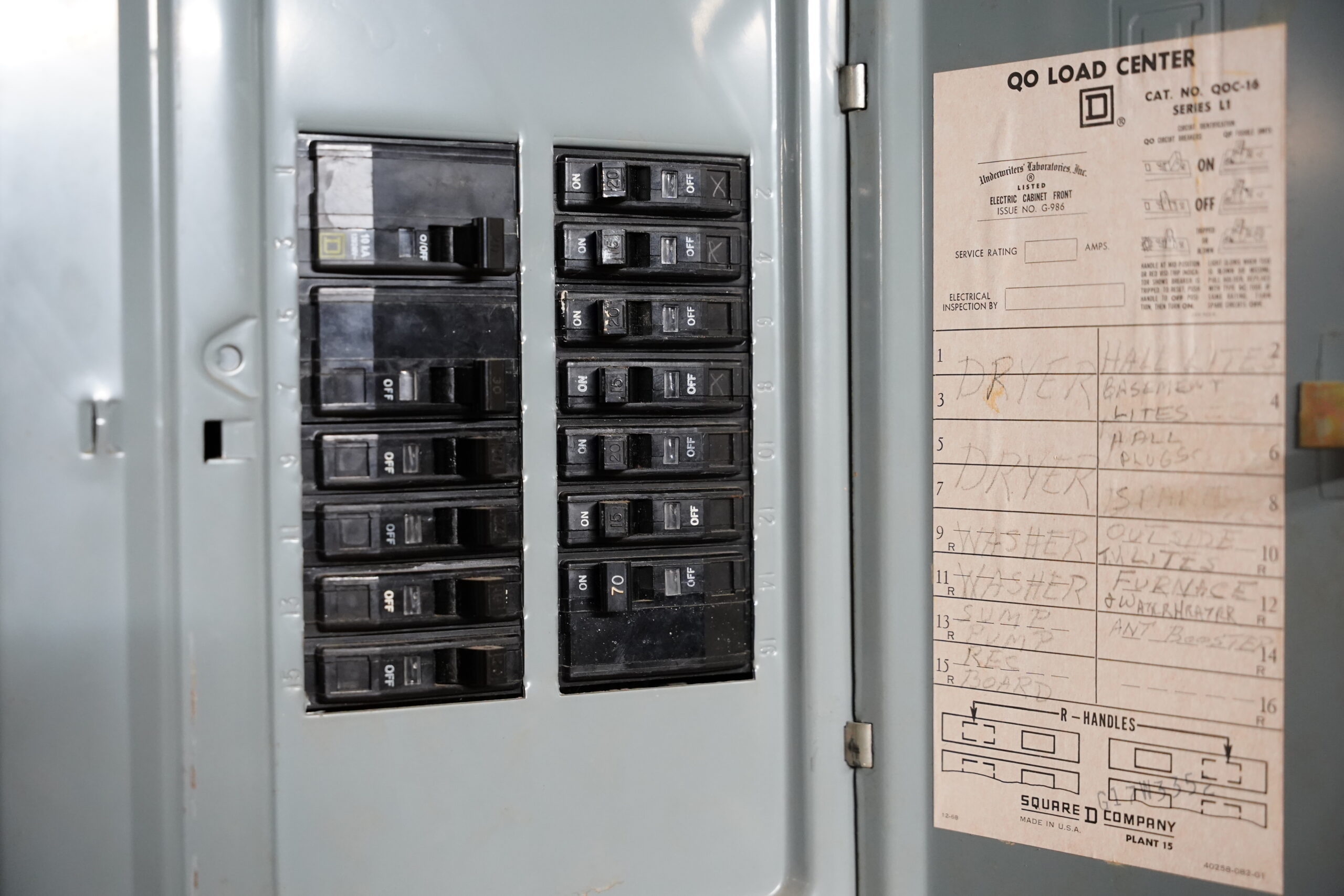
What is an Electrical Panel, and Why is It Important?
Your home’s electrical panel, often referred to as the breaker box, is the central hub for distributing electricity throughout your house. It ensures that every appliance, light, and device gets the power it needs to operate safely and efficiently. As homes become more reliant on technology and electrical devices, the importance of a modern, well-functioning panel becomes even more critical. Without it, homes could face electrical inefficiencies or even hazards.
Signs It’s Time to Upgrade Your Electrical Panel
Frequent Circuit Breaker Trips
One of the most common signs that your electrical panel is struggling is frequent tripping of circuit breakers. This happens when the panel cannot keep up with the demand for power, causing it to shut off circuits to prevent overheating or overloading.
Flickering Lights and Power Surges
If your lights flicker or dim when you turn on an appliance or device, it may indicate that your panel is not distributing electricity evenly. Additionally, experiencing frequent power surges can point to an overloaded system, which puts your home at risk of electrical damage.
Use of Fuse Boxes or Outdated Panels
Homes with old fuse boxes or outdated panels are more susceptible to electrical failures and even fire hazards. Many of these older systems were not designed to handle modern power demands and can be a danger to your home’s safety.
Insufficient Capacity for Modern Technology
With the increase in home technology such as smart devices, EV chargers, and larger appliances, many older electrical panels simply don’t have the capacity to handle the load. If you’re planning to install high-energy consumption equipment, such as an electric vehicle charger, you may need to upgrade your panel to ensure it can manage the additional power.
Benefits of Upgrading Your Electrical Panel
Increased Capacity for Future Technology
A modern electrical panel provides more amperage, allowing it to handle the demands of the latest technology. Whether you’re installing energy-efficient appliances, adding smart home systems, or preparing for an electric vehicle, upgrading your panel ensures that your home is future-proofed.
Improved Energy Efficiency and Reduced Electrical Costs
New electrical panels are designed to distribute power more efficiently, reducing energy wastage and potentially lowering your utility bills. With an upgraded panel, you may also experience fewer power surges, extending the lifespan of your home appliances.
Enhanced Home Safety
An upgraded electrical panel provides better circuit protection, reducing the risk of fire or electrical hazards. Older systems may not have the necessary safeguards to prevent overheating or overloading, making modern systems a safer option for any home.
Boosted Home Value for Resale
Electrical upgrades, especially panel replacements, can significantly increase your home’s resale value. Potential buyers are more likely to be attracted to homes with modern, safe, and energy-efficient electrical systems, seeing them as a key investment.
What to Expect During an Electrical Panel Upgrade
Initial Inspection and Assessment by a Licensed Electrician
Before any work begins, a licensed electrician will conduct a thorough inspection of your home’s electrical system. They will assess the current panel, wiring, and circuit breakers to determine if an upgrade is necessary and if any additional work is required.
Typical Installation Process and Timeline
The installation process typically involves replacing the old panel with a new one, upgrading wiring and other components where necessary, and testing the system to ensure proper functionality. The job usually takes one day but may extend depending on additional work.
Necessary Permits and Compliance with Electrical Codes
Upgrading an electrical panel requires proper permits to ensure compliance with local and national electrical codes. Here at Turn It On Electric, our office staff handles all city and power company coordination on your behalf, ensuring an efficient and stress-free process.
Electrical Panel Upgrade Costs: Factors to Consider
Panel Size and Capacity
The size of the electrical panel you choose directly impacts the cost. Smaller 100-amp panels are less expensive but may not provide enough power for modern homes. Larger panels, such as 200-amp or 400-amp systems, provide more capacity but come with higher upfront costs.
Labor Costs for Installation
Labor costs will vary based on the complexity of the installation. If you need additional wiring or meter box upgrades, these will add to the total cost. It’s also critical to take into account the placement of the panel itself. It’s vital to get a detailed quote from your electrician to avoid surprises.
Additional Work
If your home requires additional work, such as rewiring or replacing the meter box, the overall cost will increase. Homes with older wiring systems may also need circuit upgrades to handle the new panel’s capacity, which can add to the complexity of the installation.
How to Choose the Right Electrical Panel for Your Home
Amperage Ratings (100A, 200A, 400A) and What They Mean
The amperage rating of an electrical panel determines how much power it can handle. A 100-amp panel may suffice for smaller homes with basic electrical needs, but for modern homes with advanced technology, a 200-amp panel is often the better choice. For larger homes or those expecting significant future power use (e.g., multiple EV chargers or solar power systems), a 400-amp panel may be ideal. Though, keep in mind, panels of these size are typically only used in commercial settings.
Future-Proofing for Technology Upgrades
When upgrading your panel, it’s wise to think ahead. Installing a panel that can support future technology, such as electric vehicle chargers, smart home systems, and renewable energy sources, ensures you won’t need another upgrade in the near future.
Why Turn It On Electric is Your Best Partner for Panels
Turn It On Electric provides expert services for electrical panel upgrades. Our licensed, bonded, and insured technicians have extensive experience with modern electrical systems and panels, ensuring that your upgrade is done safely, efficiently, and in compliance with all local electrical codes. Whether you’re looking to increase your panel’s capacity or upgrade for safety reasons, we offer professional solutions that fit your needs and budget.
Upgrading your electrical panel is a smart investment that improves your home’s safety, energy efficiency, and value. If you’re experiencing any issues such as frequent breaker trips or considering the addition of high-energy devices like EV chargers, it’s time to consult with a professional. Turn It On Electric is here to help with expert consultations and seamless panel upgrades to meet your home’s needs today and in the future. Contact us today for a free quote!
Interested in learning more?
Check Out Our Social Media