
Categories Residential

DIY Electrical Work: What You Should and Shouldn’t Do Yourself

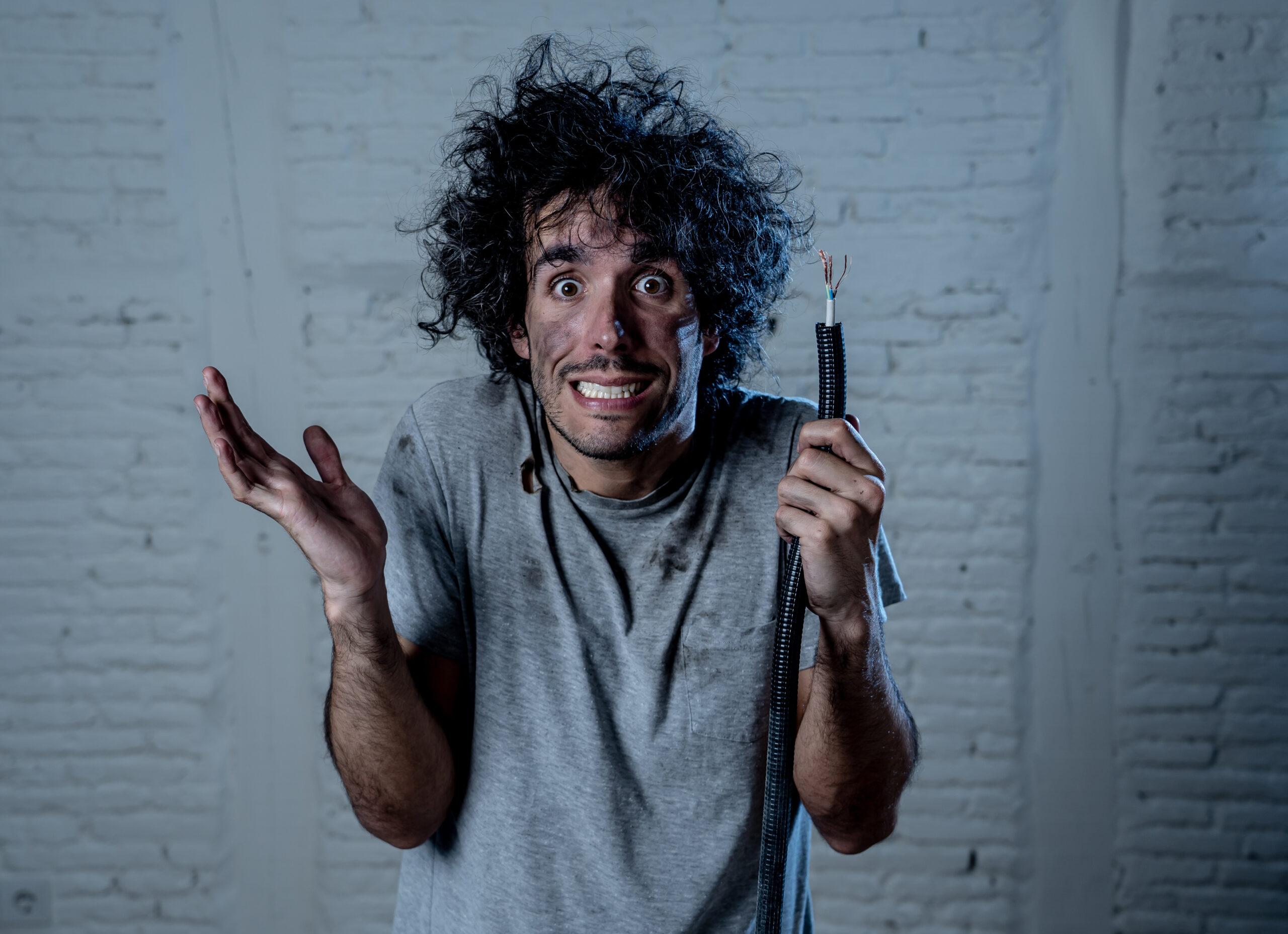
In the era of YouTube tutorials and DIY home improvement projects, homeowners are increasingly tempted to take electrical repairs and installations into their own hands. While the DIY approach can be cost-effective and rewarding for certain home tasks, electrical work often requires the expertise and precision of a professional.

Safe DIY Electrical Tasks

Changing Light Bulbs

Replacing burnt-out light bulbs is a straightforward task that homeowners can safely perform. Ensure that the switch is off before changing a bulb and consider energy-efficient LED options for replacements.

Installing Light Fixtures

Swapping out light fixtures can be a DIY project, provided the wiring is already in place and you’re not altering the circuit. Always turn off the power at the breaker box before beginning any work.

Replacing Switch and Outlet Covers

Updating old or damaged switch and outlet covers can refresh a room’s appearance. This simple task only requires a screwdriver, with no need to tamper with the wiring.

Electrical Work Best Left to Professionals

Circuit Breaker Replacements

Working inside the electrical panel poses serious risks, including electrocution. Replacing a circuit breaker or any work involving the electrical panel should always be done by a licensed electrician.

Installing Additional Outlets or Lights

Adding new outlets or lighting fixtures often requires running new wiring and making connections within the electrical panel. This type of work must adhere to local building codes and standards, necessitating professional expertise.

Upgrading Your Electrical Panel

As homes’ electrical demands increase, many find their current electrical panel is no longer sufficient. Upgrading an electrical panel involves extensive knowledge of electrical systems and should never be a DIY project.

Wiring for Major Appliances

Installing or altering the wiring for major appliances requires an understanding of electrical loads, grounding, and safety protocols. Incorrectly installed wiring can lead to fire hazards and appliance damage.

The Risks of DIY Electrical Work

Safety Hazards

Without proper training, you risk electric shock, fires, and serious injury when attempting electrical work.

Code Violations

Unprofessional work can result in violations of building codes, leading to fines and requiring costly corrections.

Insurance Issues

DIY electrical work can void home insurance policies if a fire or damage results from improper installations or repairs.

The Benefits of Hiring a Licensed Electrician

Safety and Peace of Mind

Professional electricians have the training and equipment to perform electrical work safely, reducing the risk of accidents and ensuring your family’s safety.

Code Compliance

Licensed electricians are knowledgeable about local building codes and regulations, ensuring that all work is compliant and properly inspected.

Quality Workmanship

With years of experience, electricians can guarantee quality work that lasts, preventing future issues and additional costs.

While the DIY route might be tempting for minor home improvements, electrical work requires a level of expertise and caution that only professionals possess. By understanding which tasks are safe to do yourself and which require professional intervention, you can keep your home safe, compliant, and well-maintained. Turn It On Electric is here to assist with all your electrical needs, from minor installations to major upgrades. Contact us today to ensure safety, efficiency, and compliance, giving you peace of mind for years to come.

Categories Residential, Safety

Protecting Your Pets From Electrical Hazards

electrical hazards

Electrical hazards can pose serious risks to our furry friends at home. From chewed wires to exposed outlets, our pets are susceptible to potential electrical accidents. This is why it’s essential for pet owners to be proactive in safeguarding their beloved companions from these hazards.

Here are the top five ways to protect your pets:

Secure All Electrical Cords and Wires

Pets, especially puppies and kittens, are naturally curious and may be tempted to chew on electrical cords and wires. This behavior can lead to electrical shock, burns, or even fires. To prevent this, it is crucial to pet proof household cables and keep wires out of your pets’ reach. Consider using cord protectors, cable organizers, or covering cords with PVC tubing. Additionally, you can tape cords to baseboards or use cord concealers to keep them hidden and inaccessible to your pets.

Keep Electrical Outlets Covered

Uncovered electrical outlets can be enticing to pets, who may try to investigate or play with them. This can result in electrical shocks or burns. Invest in outlet covers or caps to block your pets’ access to outlets. These inexpensive and easy-to-install safety devices will prevent curious paws from exploring potentially dangerous electrical sockets.

According to Turn It On Electric, an experienced electrical services company, “Pet owners should be mindful of the electrical dangers lurking in their homes. Taking simple steps like covering outlets can significantly reduce the risk of electrical accidents.”

Provide Safe and Stable Electrical Appliances

Ensure that all electrical appliances in your home are safe and stable. Pets may inadvertently knock over appliances, causing them to fall or spill liquids onto electrical components. This can result in electrocution or fires. To prevent such accidents, make sure appliances are placed on stable surfaces and are out of your pets’ reach. Use cord shorteners or hide cords behind furniture to minimize the temptation for pets to chew on them.

Unplug Unused Electronics

When electronics are not in use, always remember to unplug them from electrical outlets. This prevents any accidental contact by your pets, reducing the risk of electrical accidents. Additionally, it conserves energy and reduces the likelihood of overheating or electrical fires. Get into the habit of unplugging electronics such as laptops, gaming consoles, and chargers when they are not being used.

Supervise Pets and Educate Children

One of the most effective ways to protect your pets from electrical hazards is to supervise them closely. Be aware of their behavior around electrical appliances and cords. Educate your family members, especially children, on the potential dangers of electrical hazards and injuries to pets. Teach them not to leave cords or appliances lying around and to report any damaged electrical equipment immediately.

Remember, prevention is the key to safeguarding your pets from electrical hazards. By implementing these top five ways, you can create a safer environment for your furry companions and provide them with a happy and secure living space.

For further information and assistance with electrical safety measures, consult professionals like Turn It On Electric. Their expertise can help ensure your home is properly wired and protected from potential pet safety hazards. Contact TIO Electric with any additional questions or concerns.